Leaflet ZYPREXA 10mg powder for injection
Indicated for: schizophrenia; bipolar disorder
Route of administration: injectable
Substance: olanzapine (antipsychotic)
ATC: N05AH03 (Nervous system | Antipsychotics | Diazepines, oxazepines, thiazepines and oxepines)

This medicine may affect your ability to drive or use machines.

This medicine may cause dizziness or vertigo.
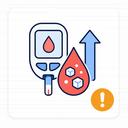
This medicine may increase blood sugar.
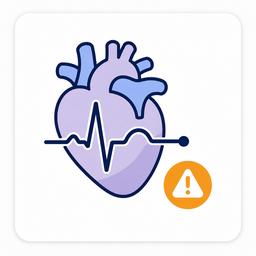
This medicine may increase the risk of heart rhythm disturbances.

This medicine may increase the risk of seizures.

This medicine may cause drowsiness or reduced alertness.
Olanzapine is an atypical antipsychotic used for the treatment of schizophrenia, bipolar disorder, and other psychiatric conditions. It works by blocking dopamine and serotonin receptors in the brain, helping to reduce psychotic symptoms and stabilize mood.
The medication is taken orally, usually once daily, as directed by a doctor. The dosage is adjusted based on the patient's response and the severity of the condition.
Patients should be aware of potential side effects, such as weight gain, drowsiness, or dizziness. It is important to inform the doctor of any unusual symptoms or the use of other medications.
Common side effects include weight gain, drowsiness, dizziness, and dry mouth. In rare cases, severe reactions such as neuroleptic malignant syndrome or hyperglycemia may occur. Patients should be informed of these risks before starting treatment.
General data about ZYPREXA 10mg
- Substance: olanzapine
- Date of last drug list: 01-07-2020
- Commercial code: W08559001
- Concentration: 10mg
- Pharmaceutical form: powder for injection
- Quantity: 1
- Product type: original
- Prescription restrictions: P-RF - Medicines prescription that is retained in the pharmacy (not renewable).
Pharmaceutical forms available for olanzapine
Concentrations available for olanzapine
- 10mg
- 15mg
- 2.5mg
- 20mg
- 210mg
- 300mg
- 405mg
- 5mg
- 7.5mg

Leaflet ZYPREXA 10mg
Contents of the package leaflet for the medicine ZYPREXA 10mg powder for injection
1. NAME OF THE MEDICINAL PRODUCT
ZYPREXA 10 mg powder for solution for injection
2. QUALITATIVE AND QUANTITATIVE COMPOSITION
Each vial contains 10 mg olanzapine. After reconstitution each ml of the solution contains 5 mgolanzapine.
Excipient with known effect: Each vial contains 50 mg lactose monohydrate.
For the full list of excipients, see section 6.1.
3. PHARMACEUTICAL FORM
Powder for solution for injection
Yellow lyophilised powder.
4. CLINICAL PARTICULARS
4.1 Therapeutic indications
ZYPREXA powder for solution for injection is indicated for the rapid control of agitation anddisturbed behaviours in patients with schizophrenia or manic episode, when oral therapy is notappropriate. Treatment with ZYPREXA powder for solution for injection should be discontinued andthe use of oral olanzapine should be initiated as soon as clinically appropriate.
4.2 Posology and method of administration
For intramuscular use. Do not administer intravenously or subcutaneously. ZYPREXA powder forsolution for injection is intended for short term use only, for up to a maximum of three consecutivedays.
The maximum daily dose of olanzapine (including all formulations of olanzapine) is 20 mg.
The recommended initial dose for olanzapine injection is 10 mg, administered as a singleintramuscular injection. A lower dose (5 mg or 7.5 mg) may be given, on the basis of individualclinical status, which should also include consideration of medicinal products already administeredeither for maintenance or acute treatment (see section 4.4). A second injection, 5-10 mg, may beadministered 2 hours after the first injection on the basis of individual clinical status. Not more thanthree injections should be given in any 24 hour period and the maximum daily dose of olanzapine of20 mg (including all formulations) should not be exceeded.
ZYPREXA powder for solution for injection should be reconstituted in accordance with therecommendation in section 6.6.
For further information on continued treatment with oral olanzapine (5 to 20 mg daily), see the
Summary of Product Characteristics for ZYPREXA coated tablets or ZYPREXA VELOTABorodispersible tablets.
Special populationsElderly
The recommended starting dose in elderly patients (> 60 years) is 2.5 - 5 mg. Depending on thepatient's clinical status (see section 4.4), a second injection, 2.5 - 5 mg, may be administered 2 hoursafter the first injection. Not more than 3 injections should be given in any 24 hour period and themaximum daily dose of 20 mg (including all formulations) of olanzapine should not be exceeded.
Renal and/or hepatic impairmentA lower starting dose (5 mg) should be considered for such patients. In cases of moderate hepaticinsufficiency (cirrhosis, Child-Pugh Class A or B), the starting dose should be 5 mg and onlyincreased with caution.
Smokers
The dose and dose range need not be routinely altered for non-smokers relative to smokers. Themetabolism of olanzapine may be induced by smoking. Clinical monitoring is recommended and anincrease of olanzapine dose may be considered if necessary (see section 4.5).
When more than one factor is present which might result in slower metabolism (female gender,geriatric age, non-smoking status), consideration should be given to decreasing the dose. Additionalinjections, when indicated, should be conservative in such patients.
(See sections 4.5 and 5.2)
Paediatric populationThere is no experience in children. ZYPREXA powder for solution for injection is not recommendedfor use in children and adolescents due to a lack of data on safety and efficacy.
4.3 Contraindications
Hypersensitivity to the active substance or to any of the excipients listed in section 6.1.
Patients with known risk of narrow-angle glaucoma.
4.4 Special warnings and precautions for use
The efficacy of IM olanzapine has not been established in patients with agitation and disturbedbehaviours related to conditions other than schizophrenia or manic episode.
Unstable medical conditions
IM olanzapine should not be administered to patients with unstable medical conditions, such as acutemyocardial infarction, unstable angina pectoris, severe hypotension and/or bradycardia, sick sinussyndrome, or following heart surgery. If the patient’s medical history with regard to these unstablemedical conditions cannot be determined, the risks and benefits of IM olanzapine should beconsidered in relation to other alternative treatments.
Concomitant use of benzodiazepines and other medicinal products
Special caution is necessary in patients who have received treatment with other medicinal productshaving haemodynamic properties similar to those of intramuscular olanzapine including otherantipsychotics (oral and/or intramuscular) and benzodiazepines (see section 4.5). Temporal associationof treatment with IM olanzapine with hypotension, bradycardia, respiratory depression and death hasbeen very rarely (< 0.01 %) reported particularly in patients who have received benzodiazepinesand/or other antipsychotics (see section 4.8).
Simultaneous injection of intramuscular olanzapine and parenteral benzodiazepine is notrecommended due to the potential for excessive sedation, cardiorespiratory depression and in very rarecases, death (see sections 4.5 and 6.2). If the patient is considered to need parenteral benzodiazepinetreatment, this should not be given until at least one hour after IM olanzapine administration. If thepatient has received parenteral benzodiazepine, IM olanzapine administration should only beconsidered after careful evaluation of clinical status and the patient should be closely monitored forexcessive sedation and cardiorespiratory depression.
HypotensionIt is extremely important that patients receiving intramuscular olanzapine should be closely observedfor hypotension including postural hypotension, bradyarrhythmia and/or hypoventilation, particularlyfor the first 4 hours following injection and close observation should be continued after this period ifclinically indicated. Blood pressure, pulse, respiratory rate and level of consciousness should beobserved regularly and remedial treatment provided if required. Patients should remain recumbent ifdizzy or drowsy after injection until examination indicates that they are not experiencing hypotensionincluding postural hypotension, bradyarrhythmia and/or hypoventilation.
The safety and efficacy of IM olanzapine has not been evaluated in patients with alcohol or drugintoxication (either with prescribed or illicit drugs) (see section 4.5).
Dementia-related psychosis and/or behavioural disturbances
Olanzapine is not recommended for use in patients with dementia-related psychosis and/or behaviouraldisturbances because of an increase in mortality and the risk of cerebrovascular accident. In placebo-controlled clinical trials (6-12 weeks duration) of elderly patients (mean age 78 years) with dementia-related psychosis and/or disturbed behaviours, there was a 2-fold increase in the incidence of death inolanzapine-treated patients compared to patients treated with placebo (3.5 % vs. 1.5 %, respectively).
The higher incidence of death was not associated with olanzapine dose (mean daily dose 4.4 mg) orduration of treatment. Risk factors that may predispose this patient population to increased mortalityinclude age > 65 years, dysphagia, sedation, malnutrition and dehydration, pulmonary conditions (e.g.,pneumonia, with or without aspiration), or concomitant use of benzodiazepines. However, theincidence of death was higher in olanzapine-treated than in placebo-treated patients independent ofthese risk factors.
In the same clinical trials, cerebrovascular adverse events (CVAE e.g., stroke, transient ischemicattack), including fatalities, were reported. There was a 3-fold increase in CVAE in patients treatedwith olanzapine compared to patients treated with placebo (1.3% vs. 0.4%, respectively). Allolanzapine- and placebo-treated patients who experienced a cerebrovascular event had pre-existingrisk factors. Age > 75 years and vascular/mixed type dementia were identified as risk factors for
CVAE in association with olanzapine treatment. The efficacy of olanzapine was not established inthese trials.
Parkinson's diseaseThe use of olanzapine in the treatment of dopamine agonist associated psychosis in patients with
Parkinson's disease is not recommended. In clinical trials, worsening of Parkinsonian symptomatologyand hallucinations were reported very commonly and more frequently than with placebo (see section4.8), and olanzapine was not more effective than placebo in the treatment of psychotic symptoms. Inthese trials, patients were initially required to be stable on the lowest effective dose of anti-
Parkinsonian medicinal products (dopamine agonist) and to remain on the same anti-Parkinsonianmedicinal products and dosages throughout the study. Olanzapine was started at 2.5 mg/day andtitrated to a maximum of 15 mg/day based on investigator judgement.
Neuroleptic Malignant Syndrome (NMS)
NMS is a potentially life-threatening condition associated with antipsychotic medicinal products. Rarecases reported as NMS have also been received in association with olanzapine. Clinical manifestationsof NMS are hyperpyrexia, muscle rigidity, altered mental status, and evidence of autonomic instability(irregular pulse or blood pressure, tachycardia, diaphoresis, and cardiac dysrhythmia). Additionalsigns may include elevated creatine phosphokinase, myoglobinuria (rhabdomyolysis), and acute renalfailure. If a patient develops signs and symptoms indicative of NMS, or presents with unexplainedhigh fever without additional clinical manifestations of NMS, all antipsychotic medicines, includingolanzapine must be discontinued.
Hyperglycaemia and diabetesHyperglycaemia and/or development or exacerbation of diabetes occasionally associated withketoacidosis or coma has been reported uncommonly, including some fatal cases (see section 4.8). Insome cases, a prior increase in body weight has been reported which may be a predisposing factor.
Appropriate clinical monitoring is advisable in accordance with utilised antipsychotic guidelines, e.g.measuring of blood glucose at baseline, 12 weeks after starting olanzapine treatment and annuallythereafter. Patients treated with any antipsychotic medicines, including ZYPREXA, should beobserved for signs and symptoms of hyperglycaemia (such as polydipsia, polyuria, polyphagia, andweakness) and patients with diabetes mellitus or with risk factors for diabetes mellitus should bemonitored regularly for worsening of glucose control. Weight should be monitored regularly, e.g. atbaseline, 4, 8 and 12 weeks after starting olanzapine treatment and quarterly thereafter.
Lipid alterations
Undesirable alterations in lipids have been observed in olanzapine-treated patients in placebo-controlled clinical trials (see section 4.8). Lipid alterations should be managed as clinicallyappropriate, particularly in dyslipidemic patients and in patients with risk factors for the developmentof lipids disorders. Patients treated with any antipsychotic medicines, including ZYPREXA, should bemonitored regularly for lipids in accordance with utilised antipsychotic guidelines, e.g. at baseline, 12weeks after starting olanzapine treatment and every 5 years thereafter.
Anticholinergic activityWhile olanzapine demonstrated anticholinergic activity in vitro, experience during oral clinical trialsrevealed a low incidence of related events. However, as clinical experience with olanzapine in patientswith concomitant illness is limited, caution is advised when prescribing for patients with prostatichypertrophy, or paralytic ileus and related conditions.
Hepatic function
Transient, asymptomatic elevations of hepatic aminotransferases, ALT, AST have been seencommonly, especially in early treatment. Caution should be exercised and follow-up organised inpatients with elevated ALT and/or AST, in patients with signs and symptoms of hepatic impairment,in patients with pre-existing conditions associated with limited hepatic functional reserve, and inpatients who are being treated with potentially hepatotoxic medicines. In cases where hepatitis(including hepatocellular, cholestatic or mixed liver injury) has been diagnosed, olanzapine treatmentshould be discontinued.
NeutropeniaCaution should be exercised in patients with low leukocyte and/or neutrophil counts for any reason, inpatients receiving medicines known to cause neutropenia, in patients with a history of drug-inducedbone marrow depression/toxicity, in patients with bone marrow depression caused by concomitantillness, radiation therapy or chemotherapy and in patients with hypereosinophilic conditions or withmyeloproliferative disease. Neutropenia has been reported commonly when olanzapine and valproateare used concomitantly (see section 4.8).
Discontinuation of treatmentAcute symptoms such as sweating, insomnia, tremor, anxiety, nausea, or vomiting have been reportedrarely ( ≥ 0.01 % and < 0.1 %) when olanzapine is stopped abruptly.
QT intervalIn clinical trials with oral administration, clinically meaningful QTc prolongations (Fridericia QTcorrection [QTcF] ≥ 500 milliseconds [msec] at any time post baseline in patients with baseline QTcF< 500 msec) were uncommon (0.1 % to 1 %) in patients treated with olanzapine, with no significantdifferences in associated cardiac events compared to placebo. In clinical trials with ZYPREXApowder for solution for injection, olanzapine was not associated with a persistent increase in absolute
QT or in QTc intervals. However, caution should be exercised when olanzapine is prescribed withmedicines known to increase QTc interval, especially in the elderly, in patients with congenital long
QT syndrome, congestive heart failure, heart hypertrophy, hypokalaemia or hypomagnesaemia.
Thromboembolism
Temporal association of olanzapine treatment and venous thromboembolism has been reporteduncommonly (≥ 0.1 % and < 1 %). A causal relationship between the occurrence of venousthromboembolism and treatment with olanzapine has not been established. However, since patientswith schizophrenia often present with acquired risk factors for venous thromboembolism all possiblerisk factors of VTE e.g. immobilisation of patients, should be identified and preventive measuresundertaken.
General CNS activity
Given the primary CNS effects of olanzapine, caution should be used when it is taken in combinationwith other centrally acting medicines and alcohol. As it exhibits in vitro dopamine antagonism,olanzapine may antagonize the effects of direct and indirect dopamine agonists.
SeizuresOlanzapine should be used cautiously in patients who have a history of seizures or are subject tofactors which may lower the seizure threshold. Seizures have been reported to occur uncommonly inpatients when treated with olanzapine. In most of these cases, a history of seizures or risk factors forseizures were reported.
Tardive Dyskinesia
In comparator oral studies of one year or less duration, olanzapine was associated with a statisticallysignificant lower incidence of treatment emergent dyskinesia. However the risk of tardive dyskinesiaincreases with long term exposure, and therefore if signs or symptoms of tardive dyskinesia appear ina patient on olanzapine, a dose reduction or discontinuation should be considered. These symptomscan temporally deteriorate or even arise after discontinuation of treatment.
Postural hypotension
Postural hypotension was infrequently observed in the elderly in oral olanzapine clinical trials. It isrecommended that blood pressure is measured periodically in patients over 65 years.
Sudden cardiac death:
In postmarketing reports with olanzapine, the event of sudden cardiac death has been reported inpatients with olanzapine. In a retrospective observational cohort study, the risk of presumed suddencardiac death in patients treated with olanzapine was approximately twice the risk in patients not usingantipsychotics. In the study, the risk of olanzapine was comparable to the risk of atypicalantipsychotics included in a pooled analysis.
LactosePatients with rare hereditary problems of galactose intolerance, total lactase deficiency orglucose-galactose malabsorption should not take this medicine.
SodiumThis medicine contains less than 1 mmol sodium (23 mg) per vial, that is to say essentially‘sodium-free’.
4.5 Interaction with other medicinal products and other forms of interaction
Interaction studies have only been performed in adults.
IM olanzapine has not been studied in patients with alcohol or drug intoxication (see section 4.4).
Caution should be exercised in patients who consume alcohol or receive medicinal products that caninduce hypotension, bradycardia, respiratory or central nervous system depression (see section 4.4).
Potential for interaction following intramuscular injection
In a single dose intramuscular study of olanzapine 5 mg, administered 1 hour before intramuscularlorazepam 2 mg (metabolised by glucuronidation), the pharmacokinetics of both medicines wereunchanged. However, the combination added to the somnolence observed with either medicines alone.
Concomitant injection of olanzapine and parenteral benzodiazepine is not recommended (see sections4.4 and 6.2).
Potential interactions affecting olanzapine
Since olanzapine is metabolised by CYP1A2, substances that can specifically induce or inhibit thisisoenzyme may affect the pharmacokinetics of olanzapine.
Induction of CYP1A2
The metabolism of olanzapine may be induced by smoking and carbamazepine, which may lead toreduced olanzapine concentrations. Only slight to moderate increase in olanzapine clearance has beenobserved. The clinical consequences are likely to be limited, but clinical monitoring is recommendedand an increase of olanzapine dose may be considered if necessary (see section 4.2).
Inhibition of CYP1A2
Fluvoxamine, a specific CYP1A2 inhibitor, has been shown to significantly inhibit the metabolism ofolanzapine. The mean increase in olanzapine Cmax following fluvoxamine was 54 % in female non-smokers and 77 % in male smokers. The mean increase in olanzapine AUC was 52 % and 108 %respectively. A lower starting dose of olanzapine should be considered in patients who are usingfluvoxamine or any other CYP1A2 inhibitors, such as ciprofloxacin. A decrease in the dose ofolanzapine should be considered if treatment with an inhibitor of CYP1A2 is initiated.
Decreased bioavailability
Activated charcoal reduces the bioavailability of oral olanzapine by 50 to 60 % and should be taken atleast 2 hours before or after olanzapine.
Fluoxetine (a CYP2D6 inhibitor), single doses of antacid (aluminium, magnesium) or cimetidine havenot been found to significantly affect the pharmacokinetics of olanzapine.
Potential for olanzapine to affect other medicinal products
Olanzapine may antagonise the effects of direct and indirect dopamine agonists (see section 6.2).
Olanzapine does not inhibit the main CYP450 isoenzymes in vitro (e.g. 1A2, 2D6, 2C9, 2C19, 3A4).
Thus no particular interaction is expected as verified through in vivo studies where no inhibition ofmetabolism of the following active substances was found: tricyclic antidepressant (representing mostly
CYP2D6 pathway), warfarin (CYP2C9), theophylline (CYP1A2) or diazepam (CYP3A4 and 2C19).
Olanzapine showed no interaction when co-administered with lithium or biperiden.
Therapeutic monitoring of valproate plasma levels did not indicate that valproate dosage adjustment isrequired after the introduction of concomitant olanzapine.
The concomitant use of olanzapine with anti-Parkinsonian medicinal products in patients with
Parkinson's disease and dementia is not recommended (see section 4.4).
QTc interval
Caution should be used if olanzapine is being administered concomitantly with medicinal productsknown to increase QTc interval (see section 4.4).
4.6 Fertility, pregnancy and lactation
There are no adequate and well-controlled studies in pregnant women. Patients should be advised tonotify their physician if they become pregnant or intend to become pregnant during treatment witholanzapine. Nevertheless, because human experience is limited, olanzapine should be used inpregnancy only if the potential benefit justifies the potential risk to the foetus.
New born infant exposed to antipsychotics (including olanzapine) during the third trimester ofpregnancy are at risk of adverse reactions including extrapyramidal and/or withdrawal symptoms thatmay vary in severity and duration following delivery. There have been reports of agitation, hypertonia,hypotonia, tremor, somnolence, respiratory distress, or feeding disorder. Consequently, newbornsshould be monitored carefully.
Breast-feedingIn a study in breast-feeding, healthy women, olanzapine was excreted in breast milk. Mean infantexposure (mg/kg) at steady state was estimated to be 1.8 % of the maternal olanzapine dose (mg/kg).
Patients should be advised not to breast feed an infant if they are taking olanzapine.
FertilityEffects on fertility are unknown (see section 5.3 for preclinical information).
4.7 Effects on ability to drive and use machines
No studies on the effects on the ability to drive and use machines have been performed. Becauseolanzapine may cause somnolence and dizziness, patients should be cautioned about operatingmachinery, including motor vehicles.
4.8 Undesirable effects
A common (≥ 1/100 to < 1/10) undesirable effect associated with the use of intramuscular olanzapinein clinical trials was somnolence.
In post marketing reports, temporal association of treatment with IM olanzapine with cases ofrespiratory depression, hypotension or bradycardia and death have been very rarely reported, mostly inpatients who concomitantly received benzodiazepines, and/or other antipsychotic medicinal productsor who were treated in excess of olanzapine recommended daily doses (see sections 4.4 and 4.5).
The following table is based on the undesirable effects and laboratory investigations from clinicaltrials with ZYPREXA powder for solution for injection rather than oral olanzapine.
Cardiac disordersCommon ( ≥ 1/100 to < 1/10): Bradycardia with or without hypotension or syncope, tachycardia.
Uncommon (≥ 1/1,000 to < 1/100): Sinus pause.
Vascular Disorders
Common (≥ 1/100 to < 1/10): Postural hypotension, hypotension.
Respiratory disordersUncommon (≥ 1/1,000 to < 1/100): Hypoventilation.
General disorders and administration site conditionsCommon (≥ 1/100 to < 1/10): Injection site discomfort.
The undesirable effects listed below have been observed following administration of oral andprolonged release intramuscular injection olanzapine, but may also occur following administration of
ZYPREXA powder for solution for injection.
AdultsThe most frequently (seen in ≥ 1% of patients) reported adverse reactions associated with the use ofolanzapine in clinical trials were somnolence, weight gain, eosinophilia, elevated prolactin,cholesterol, glucose and triglyceride levels (see section 4.4), glucosuria, increased appetite, dizziness,akathisia, parkinsonism, leukopenia, neutropenia (see section 4.4), dyskinesia, orthostatic hypotension,anticholinergic effects, transient asymptomatic elevations of hepatic aminotransferases (see section4.4), rash, asthenia, fatigue, pyrexia, arthralgia, increased alkaline phosphatase, high gammaglutamyltransferase, high uric acid, high creatine phosphokinase and oedema.
Tabulated list of adverse reactionsThe following table lists the adverse reactions and laboratory investigations observed from spontaneousreporting and in clinical trials. Within each frequency grouping, adverse reactions are presented in orderof decreasing seriousness. The frequency terms listed are defined as follows: Very common (≥ 1/10),common (≥ 1/100 to < 1/10), uncommon (≥ 1/1,000 to < 1/100), rare (≥ 1/10,000 to < 1/1,000), veryrare (< 1/10,000), not known (cannot be estimated from the data available).
Very Common Uncommon Rare Notcommon known
Blood and the lymphatic system disorders
Eosinophilia Thrombocytopenia11
Leukopenia10
Neutropenia10
Immune system disordersHypersensitivity11
Metabolism and nutrition disordersWeight gain1 Elevated Development or Hypothermia12cholesterol levels2,3 exacerbation of
Elevated glucose diabetes occasionallylevels4 associated with
Elevated ketoacidosis or coma,triglyceride levels2,5 including some fatal
Glucosuria cases (see section
Increased appetite 4.4) 11
Nervous system disordersSomnolence Dizziness Seizures where in Neuroleptic malignant
Akathisia6 most cases a history syndrome (see section
Parkinsonism6 of seizures or risk 4.4)12
Dyskinesia6 factors for seizures Discontinuationwere reported11 symptoms7,12
Dystonia (includingoculogyration)11
Tardive dyskinesia11
Amnesia9
Dysarthria
Stuttering11, 13
Restless Legs
Syndrome11
Cardiac disordersBradycardia Ventricular
QTc prolongation (see tachycardia/fibrillation,section 4.4) sudden death (seesection 4.4)11
Vascular disordersOrthostatic Thromboembolismhypotension10 (including pulmonaryembolism and deepvein thrombosis) (seesection 4.4)
Respiratory, thoracic and mediastinal disordersEpistaxis9
Gastrointestinal disordersMild, transient Abdominal Pancreatitis11anticholinergic distension9effects including Salivaryconstipation and hypersecretion11dry mouth
Hepatobiliary disordersTransient, Hepatitis (includingasymptomatic hepatocellular,elevations of cholestatic or mixedhepatic liver injury)11aminotransferases(ALT, AST),especially in earlytreatment (seesection 4.4)
Skin and subcutaneous tissue disordersRash Photosensitivity Drugreaction Reaction
Alopecia with
Eosinophiliaand
Systemic
Symptoms(DRESS)
Musculoskeletal and connective tissue disordersArthralgia9 Rhabdomyolysis11
Renal and urinary disordersUrinary incontinence,urinary retention
Urinary hesitation11
Pregnancy, puerperium and perinatal conditions
Drugwithdrawalsyndromeneonatal(seesection4.6)
Reproductive system and breast disordersErectile dysfunction Amenorrhea Priapism12in males Breast enlargement
Decreased libido in Galactorrhea inmales and females females
Gynaecomastia/breastenlargement in males
General disorders and administration site conditionsAsthenia
FatigueOedema
Pyrexia10
InvestigationsElevated Increased alkaline Increased totalplasma phosphatase10 bilirubinprolactin High creatinelevels8 phosphokinase11
High Gamma
Glutamyltransferase
High Uric acid 101 Clinically significant weight gain was observed across all baseline Body Mass Index (BMI)categories. Following short term treatment (median duration 47 days), weight gain ≥ 7% of baselinebody weight was very common (22.2 %), ≥ 15 % was common (4.2 %) and ≥ 25 % was uncommon(0.8 %). Patients gaining ≥ 7 %, ≥ 15 % and ≥ 25 % of their baseline body weight with long-termexposure (at least 48 weeks) were very common (64.4 %, 31.7 % and 12.3 % respectively).
2 Mean increases in fasting lipid values (total cholesterol, LDL cholesterol, and triglycerides) weregreater in patients without evidence of lipid dysregulation at baseline.
3 Observed for fasting normal levels at baseline (< 5.17 mmol/l) which increased to high(≥ 6.2 mmol/l). Changes in total fasting cholesterol levels from borderline at baseline (≥ 5.17 -< 6.2 mmol/l) to high (≥ 6.2 mmol/l) were very common.
4 Observed for fasting normal levels at baseline (< 5.56 mmol/l) which increased to high (≥ 7 mmol/l).
Changes in fasting glucose from borderline at baseline (≥ 5.56 - < 7 mmol/l) to high (≥ 7 mmol/l) werevery common.
5 Observed for fasting normal levels at baseline (< 1.69 mmol/l) which increased to high(≥ 2.26 mmol/l). Changes in fasting triglycerides from borderline at baseline (≥ 1.69 mmol/l -< 2.26 mmol/l) to high (≥ 2.26 mmol/l) were very common.
6 In clinical trials, the incidence of Parkinsonism and dystonia in olanzapine-treated patients wasnumerically higher, but not statistically significantly different from placebo. Olanzapine-treated patientshad a lower incidence of Parkinsonism, akathisia and dystonia compared with titrated doses ofhaloperidol. In the absence of detailed information on the pre-existing history of individual acute andtardive extrapyramidal movement disorders, it cannot be concluded at present that olanzapine producesless tardive dyskinesia and/or other tardive extrapyramidal syndromes.
7 Acute symptoms such as sweating, insomnia, tremor, anxiety, nausea and vomiting have beenreported when olanzapine is stopped abruptly.
8 In clinical trials of up to 12 weeks, plasma prolactin concentrations exceeded the upper limit ofnormal range in approximately 30% of olanzapine treated patients with normal baseline prolactinvalue. In the majority of these patients the elevations were generally mild, and remained below twotimes the upper limit of normal range.
9 Adverse event identified from clinical trials in the Olanzapine Integrated Database.
10 As assessed by measured values from clinical trials in the Olanzapine Integrated Database.
11 Adverse event identified from spontaneous post-marketing reporting with frequency determinedutilising the Olanzapine Integrated Database.
12 Adverse event identified from spontaneous post-marketing reporting with frequency estimated at theupper limit of the 95% confidence interval utilising the Olanzapine Integrated Database.
13Undesirable effects listed and observed following administration of oral and LAIM olanzapine,which may also occur following administration of RAIM olanzapine.
Long-term exposure (at least 48 weeks)
The proportion of patients who had adverse, clinically significant changes in weight gain, glucose,total/LDL/HDL cholesterol or triglycerides increased over time. In adult patients who completed 9-12months of therapy, the rate of increase in mean blood glucose slowed after approximately 6 months.
Additional information on special populations
In clinical trials in elderly patients with dementia, olanzapine treatment was associated with a higherincidence of death and cerebrovascular adverse reactions compared to placebo (see section 4.4). Verycommon adverse reactions associated with the use of olanzapine in this patient group were abnormalgait and falls. Pneumonia, increased body temperature, lethargy, erythema, visual hallucinations andurinary incontinence were observed commonly.
In clinical trials in patients with drug-induced (dopamine agonist) psychosis associated with
Parkinson’s disease, worsening of Parkinsonian symptomatology and hallucinations were reportedvery commonly and more frequently than with placebo.
In one clinical trial in patients with bipolar mania, valproate combination therapy with olanzapineresulted in an incidence of neutropenia of 4.1%; a potential contributing factor could be high plasmavalproate levels. Olanzapine administered with lithium or valproate resulted in increased levels(≥ 10%) of tremor, dry mouth, increased appetite, and weight gain. Speech disorder was also reportedcommonly. During treatment with olanzapine in combination with lithium or divalproex, an increaseof ≥ 7% from baseline body weight occurred in 17.4% of patients during acute treatment (up to 6weeks). Long-term olanzapine treatment (up to 12 months) for recurrence prevention in patients withbipolar disorder was associated with an increase of ≥ 7% from baseline body weight in 39.9% ofpatients.
Reporting of suspected adverse reactionsReporting suspected adverse reactions after authorisation of the medicinal product is important. Itallows continued monitoring of the benefit/risk balance of the medicinal product. Healthcareprofessionals are asked to report any suspected adverse reactions via the national reporting system listedin Appendix V.
4.9 Overdose
Signs and symptoms
Very common symptoms in overdose (> 10% incidence) include tachycardia, agitation/aggressiveness,dysarthria, various extrapyramidal symptoms, and reduced level of consciousness ranging fromsedation to coma.
Other medically significant sequelae of overdose include delirium, convulsion, coma, possibleneuroleptic malignant syndrome, respiratory depression, aspiration, hypertension or hypotension,cardiac arrhythmias (< 2% of overdose cases) and cardiopulmonary arrest. Fatal outcomes have beenreported for acute overdoses as low as 450 mg but survival has also been reported following acuteoverdose of approximately 2 g of oral olanzapine.
ManagementThere is no specific antidote for olanzapine.
Symptomatic treatment and monitoring of vital organ function should be instituted according toclinical presentation, including treatment of hypotension and circulatory collapse and support ofrespiratory function. Do not use epinephrine, dopamine, or other sympathomimetic agents with beta-agonist activity since beta stimulation may worsen hypotension. Cardiovascular monitoring isnecessary to detect possible arrhythmias. Close medical supervision and monitoring should continueuntil the patient recovers.
5. PHARMACOLOGICAL PROPERTIES
5.1 Pharmacodynamic properties
Pharmacotherapeutic group: psycholeptics, diazepines, oxazepines, thiazepines and oxepines, ATCcode N05A H03.
Pharmacodynamic effectsOlanzapine is an antipsychotic, antimanic and mood stabilising agent that demonstrates a broadpharmacologic profile across a number of receptor systems.
In preclinical studies, olanzapine exhibited a range of receptor affinities (Ki < 100 nM) for serotonin 5
HT2A/2C, 5 HT3, 5 HT6; dopamine D1, D2, D3, D4, D5; cholinergic muscarinic receptors M1-M5; α1adrenergic; and histamine H1 receptors. Animal behavioural studies with olanzapine indicated 5HT,dopamine, and cholinergic antagonism, consistent with the receptor-binding profile. Olanzapinedemonstrated a greater in vitro affinity for serotonin 5HT2 than dopamine D2 receptors and greater 5
HT2 than D2 activity in vivo models. Electrophysiological studies demonstrated that olanzapineselectively reduced the firing of mesolimbic (A10) dopaminergic neurons, while having little effect onthe striatal (A9) pathways involved in motor function. Olanzapine reduced a conditioned avoidanceresponse, a test indicative of antipsychotic activity, at doses below those producing catalepsy, an effectindicative of motor side-effects. Unlike some other antipsychotic agents, olanzapine increasesresponding in an “anxiolytic” test.
In a single oral dose (10 mg) Positron Emission Tomography (PET) study in healthy volunteers,olanzapine produced a higher 5 HT2A than dopamine D2 receptor occupancy. In addition, a Single
Photon Emission Computed Tomography (SPECT) imaging study in schizophrenic patients revealedthat olanzapine-responsive patients had lower striatal D2 occupancy than some other antipsychotic-and risperidone-responsive patients, while being comparable to clozapine-responsive patients.
Clinical efficacyIn two of two placebo and two of three comparator controlled trials with over 2,900 schizophrenicpatients presenting with both positive and negative symptoms, olanzapine was associated withstatistically significantly greater improvements in negative as well as positive symptoms.
In a multinational, double-blind, comparative study of schizophrenia, schizoaffective, and relateddisorders which included 1,481 patients with varying degrees of associated depressive symptoms(baseline mean of 16.6 on the Montgomery-Asberg Depression Rating Scale), a prospective secondaryanalysis of baseline to endpoint mood score change demonstrated a statistically significantimprovement (p= 0.001) favouring olanzapine (-6.0) versus haloperidol (-3.1).
In patients with a manic or mixed episode of bipolar disorder, olanzapine demonstrated superiorefficacy to placebo and valproate semisodium (divalproex) in reduction of manic symptoms over 3weeks. Olanzapine also demonstrated comparable efficacy results to haloperidol in terms of theproportion of patients in symptomatic remission from mania and depression at 6 and 12 weeks. In aco-therapy study of patients treated with lithium or valproate for a minimum of 2 weeks, the additionof olanzapine 10 mg (co-therapy with lithium or valproate) resulted in a greater reduction in symptomsof mania than lithium or valproate monotherapy after 6 weeks.
In a 12-month recurrence prevention study in manic episode patients who achieved remission onolanzapine and were then randomised to olanzapine or placebo, olanzapine demonstrated statisticallysignificant superiority over placebo on the primary endpoint of bipolar recurrence. Olanzapine alsoshowed a statistically significant advantage over placebo in terms of preventing either recurrence intomania or recurrence into depression.
In a second 12-month recurrence prevention study in manic episode patients who achieved remissionwith a combination of olanzapine and lithium and were then randomised to olanzapine or lithiumalone, olanzapine was statistically non-inferior to lithium on the primary endpoint of bipolarrecurrence (olanzapine 30.0%, lithium 38.3%; p = 0.055).
In an 18-month co-therapy study in manic or mixed episode patients stabilised with olanzapine plus amood stabiliser (lithium or valproate), long-term olanzapine co-therapy with lithium or valproate wasnot statistically significantly superior to lithium or valproate alone in delaying bipolar recurrence,defined according to syndromic (diagnostic) criteria.
5.2 Pharmacokinetic properties
In a pharmacokinetic study in healthy volunteers, a dose of 5 mg of ZYPREXA powder for solutionfor injection produced a maximum plasma concentration (Cmax) approximately 5 times higher thanthat seen with the same dose of olanzapine administered orally. The Cmax occurs earlier afterintramuscular compared to oral use (15 to 45 minutes versus 5 to 8 hours). As with oral use, Cmax andarea under the curve after intramuscular use are directly proportional to the dose administered. For thesame dose of olanzapine administered intramuscularly and orally, the associated area under the curve,half-life, clearance and volume of distribution are similar. The metabolic profiles followingintramuscular and oral use are similar.
In non-smoking versus smoking subjects (males and females) administered olanzapine intramuscularlythe mean elimination half-life was prolonged (38.6 versus 30.4 hr) and the clearance was reduced(18.6 versus 27.7 l/hr).
Additional pharmacokinetic data following administration of oral olanzapine are described below.
DistributionThe plasma protein binding of olanzapine was about 93 % over the concentration range of about 7 toabout 1,000 ng/ml. Olanzapine is bound predominantly to albumin and α1-acid-glycoprotein.
BiotransformationOlanzapine is metabolised in the liver by conjugative and oxidative pathways. The major circulatingmetabolite is the 10-N-glucuronide, which does not pass the blood brain barrier. Cytochromes P450-
CYP1A2 and P450-CYP2D6 contribute to the formation of the N-desmethyl and 2-hydroxymethylmetabolites, both exhibited significantly less in vivo pharmacological activity than olanzapine inanimal studies. The predominant pharmacologic activity is from the parent olanzapine.
EliminationAfter oral administration, the mean terminal elimination half-life of olanzapine in healthy subjectsvaried on the basis of age and gender.
In healthy elderly (65 and over) versus non-elderly subjects administered oral olanzapine, the meanelimination half-life was prolonged (51.8 versus 33.8 hr) and the clearance was reduced (17.5 versus18.2 l/hr). The pharmacokinetic variability observed in the elderly is within the range for the non-elderly. In 44 patients with schizophrenia > 65 years of age, dosing from 5 to 20 mg/day was notassociated with any distinguishing profile of adverse events.
In female versus male subjects administered oral olanzapine the mean elimination half life wassomewhat prolonged (36.7 versus 32.3 hrs) and the clearance was reduced (18.9 versus 27.3 l/hr).
However, olanzapine (5-20 mg) demonstrated a comparable safety profile in female (n=467) as inmale patients (n=869).
Renal impairmentIn renally impaired patients (creatinine clearance < 10 ml/min) versus healthy subjects administeredoral olanzapine, there was no significant difference in mean elimination half-life (37.7 versus 32.4 hr)or clearance (21.2 versus 25.0 l/hr). A mass balance study showed that approximately 57 % ofradiolabelled olanzapine appeared in urine, principally as metabolites.
Hepatic impairmentA small study of the effect of impaired liver function in 6 subjects with clinically significant (Child-
Pugh Classification A (n = 5) and B (n = 1)) cirrhosis revealed little effect on the pharmacokinetics oforally administered olanzapine (2.5 - 7.5 mg single dose): Subjects with mild to moderate hepaticdysfunction had slightly increased systemic clearance and faster elimination half-time compared tosubjects with no hepatic dysfunction (n = 3). There were more smokers among subjects with cirrhosis(4/6; 67 %) than among subjects with no hepatic dysfunction (0/3; 0 %).
Smoking
The plasma clearance of olanzapine is lower in elderly versus young subjects, in females versus males,and in non-smokers versus smokers. However, the magnitude of the impact of age, gender, or smokingon olanzapine clearance and half-life is small in comparison to the overall variability betweenindividuals.
In a study of Caucasians, Japanese, and Chinese subjects, there were no differences in thepharmacokinetic parameters among the three populations.
5.3 Preclinical safety data
Acute (single-dose) toxicity
Signs of oral toxicity in rodents were characteristic of potent antipsychotic compounds: hypoactivity,coma, tremors, clonic convulsions, salivation, and depressed weight gain. The median lethal doseswere approximately 210 mg/kg (mice) and 175 mg/kg (rats). Dogs tolerated single oral doses up to100 mg/kg without mortality. Clinical signs included sedation, ataxia, tremors, increased heart rate,laboured respiration, miosis, and anorexia. In monkeys, single oral doses up to 100 mg/kg resulted inprostration and, at higher doses, semi-consciousness.
Repeated-dose toxicity
In studies up to 3 months duration in mice and up to 1 year in rats and dogs, the predominant effectswere CNS depression, anticholinergic effects, and peripheral haematological disorders. Tolerancedeveloped to the CNS depression. Growth parameters were decreased at high doses. Reversible effectsconsistent with elevated prolactin in rats included decreased weights of ovaries and uterus andmorphologic changes in vaginal epithelium and in mammary gland.
Haematologic toxicity
Effects on haematology parameters were found in each species, including dose-related reductions incirculating leukocytes in mice and non-specific reductions of circulating leukocytes in rats; however,no evidence of bone marrow cytotoxicity was found. Reversible neutropenia, thrombocytopenia, oranaemia developed in a few dogs treated with 8 or 10 mg/kg/day (total olanzapine exposure [AUC] is12- to 15-fold greater than that of a man given a 12-mg dose). In cytopenic dogs, there were noundesirable effects on progenitor and proliferating cells in the bone marrow.
Reproductive toxicityOlanzapine had no teratogenic effects. Sedation affected mating performance of male rats. Oestrouscycles were affected at doses of 1.1 mg/kg (3 times the maximum human dose) and reproductionparameters were influenced in rats given 3 mg/kg (9 times the maximum human dose). In the offspringof rats given olanzapine, delays in foetal development and transient decreases in offspring activitylevels were seen.
MutagenicityOlanzapine was not mutagenic or clastogenic in a full range of standard tests, which included bacterialmutation tests and in vitro and oral in vivo mammalian tests.
CarcinogenicityBased on the results of oral studies in mice and rats, it was concluded that olanzapine is notcarcinogenic.
6. PHARMACEUTICAL PARTICULARS
6.1 List of excipients
Lactose monohydrate
Tartaric acid, E334
Hydrochloric acid.
Sodium hydroxide.
6.2 Incompatibilities
This medicinal product must not be mixed with other medicinal products except those mentioned insection 6.6.
Olanzapine for injection should not be combined in a syringe with diazepam injection becauseprecipitation occurs when these products are mixed.
Lorazepam injection should not be used to reconstitute olanzapine for injection as this combinationresults in a delayed reconstitution time.
Olanzapine for injection should not be combined in a syringe with haloperidol injection because theresulting low pH has been shown to degrade olanzapine over time.
6.3 Shelf life
Powder: 3 years.
Solution (after reconstitution): 1 hour. Do not freeze.
6.4 Special precautions for storage
Do not store above 25º C. Store in the original package in order to protect from light. For storageconditions of the reconstituted medicinal product, see section 6.3.
6.5 Nature and contents of container
Type I, 5 ml glass vial.
One carton contains 1 or 10 vial(s).
Not all pack sizes may be marketed.
6.6 Special precautions for disposal and other handling
Reconstitute ZYPREXA only with water for injections using standard aseptic techniques forreconstitution of parenteral products. No other solutions should be used for reconstitution (see section6.2).
1. Withdraw 2.1 ml of water for injection into a sterile syringe. Inject into a vial of ZYPREXA.
2. Rotate the vial until the contents have completely dissolved, giving a yellow coloured solution.
The vial contains 11.0 mg olanzapine as a solution of 5 mg/ml (1 mg olanzapine is retained inthe vial and syringe, thus allowing delivery of 10 mg olanzapine).
3. The following table provides injection volumes for delivering various doses of olanzapine:
Dose (mg) Volume of injection (ml)10 2.07.5 1.55 1.02.5 0.54. Administer the solution intramuscularly. Do not administer intravenously or subcutaneously.
5. Discard the syringe and any unused solution in accordance with appropriate clinical procedures.
6. Use the solution immediately within 1 hour of reconstitution.
Parenteral medicines should be inspected visually for particulate matter prior to administration.
10. DATE OF REVISION OF THE TEXT
{MM/YYYY}
Detailed information on this medicinal product is available on the website of the European Medicines
Agency http://www.ema.europa.eu