Leaflet M-M-R VAXPRO powder+solvent for injection suspension
Indicated for: prevention of measles, mumps and rubella
Route of administration: injectable
Substance: measles, rubella, urlian, live attenuated vaccine (vaccine)
ATC: J07BD52 (Antiinfectives for systemic use | Viral vaccines | Measles vaccines)
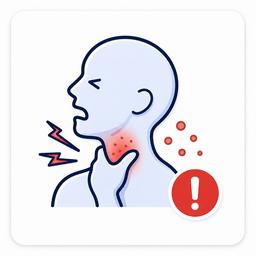
Risk of severe allergic reaction. Seek urgent medical help if serious symptoms occur.
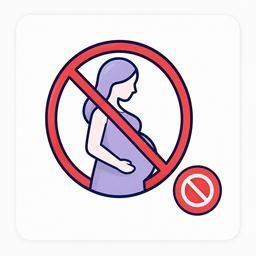
Do not use this medicine during pregnancy.
Avoid live vaccines during treatment if contraindicated.

This medicine is subject to additional monitoring.

Store in the refrigerator as instructed in the leaflet.

Store protected from light.
The measles, mumps, and rubella (MMR) live attenuated vaccine is used to prevent three highly contagious viral diseases: measles, rubella, and mumps. The vaccine contains attenuated forms of the viruses that cause these diseases, stimulating the immune system to produce specific antibodies against each of them.
The vaccine is administered subcutaneously, usually in two doses, with the first dose given at 12-15 months of age and the second between 4 and 6 years. It is recommended for children and adults who have not been previously vaccinated or have not had these diseases.
Common side effects include fever, rashes, pain, or swelling at the injection site. In rare cases, severe adverse reactions such as febrile seizures or allergic reactions may occur.
The MMR vaccine is an essential preventive measure for reducing the incidence of these diseases and their associated complications, such as encephalitis, deafness, or viral pneumonia.
General data about M-M-R VAXPRO
- Substance: measles, rubella, urlian, live attenuated vaccine
- Date of last drug list: 01-06-2026
- Commercial code: W68782001
- Pharmaceutical form: powder+solvent for injection suspension
- Quantity: 1
- Product type: original
- Price: 64.70 RON
- Prescription restrictions: P-RF - Medicines prescription that is retained in the pharmacy (not renewable).
Pharmaceutical forms available for measles, rubella, urlian, live attenuated vaccine
Concentrations available for measles, rubella, urlian, live attenuated vaccine
- 0.5ml
- 0.5ml/dose

Leaflet M-M-R VAXPRO
Compensation lists for M-M-R VAXPRO Merck Sharp & Dohme
E2 - Sublist E - section E2 with 100% discount from the reference price
Price
Copayment
Patient
64.70 RON
64.70 RON
0.00 RON
Contents of the package leaflet for the medicine M-M-R VAXPRO powder+solvent for injection suspension
1. NAME OF THE MEDICINAL PRODUCT
M-M-RvaxPro powder and solvent for suspension for injection
M-M-RvaxPro powder and solvent for suspension for injection in pre-filled syringe
Measles, mumps and rubella vaccine (live)
2. QUALITATIVE AND QUANTITATIVE COMPOSITION
After reconstitution, one dose (0.5 mL) contains:
Measles virus1 Enders’ Edmonston strain ( live, attenuated) ………..….not less than 1x10³ TCID50*
Mumps virus1 Jeryl Lynn [Level B] strain (live, attenuated)……...…not less than 12.5x10³ TCID50*
Rubella virus2 Wistar RA 27/3 strain (live, attenuated) …………….….not less than 1x10³ TCID50*
*50% tissue culture infectious dose1 produced in chick embryo cells.2 produced in WI-38 human diploid lung fibroblasts.
The vaccine may contain traces of recombinant human albumin (rHA).
This vaccine contains a trace amount of neomycin. See section 4.3.
Excipient(s) with known effectThe vaccine contains 14.5 milligrams of sorbitol per dose. See section 4.4.
For the full list of excipients, see section 6.1.
3. PHARMACEUTICAL FORM
Powder and solvent for suspension for injection (powder for injection).
Before reconstitution, the powder is a light yellow compact crystalline cake and the solvent is a clearcolourless liquid.
4. CLINICAL PARTICULARS
4.1 Therapeutic indications
M-M-RvaxPro is indicated for simultaneous vaccination against measles, mumps and rubella inindividuals from 12 months of age (see section 4.2).
M-M-RvaxPro can be administered to infants from 9 months of age under special circumstances (seesections 4.2, pct. 4.4 and 5.1).
For use in measles outbreaks, or for post-exposure vaccination, or, for use in previously unvaccinatedindividuals older than 9 months who are in contact with susceptible pregnant women, and personslikely to be susceptible to mumps and rubella, see section 5.1.
M-M-RvaxPro is to be used on the basis of official recommendations.
4.2 Posology and method of administration
* Individuals 12 months of age or older:
Individuals 12 months or older should receive one dose at an elected date. A second dose maybe administered at least 4 weeks after the first dose in accordance with official recommendation.
The second dose is intended for individuals who did not respond to the first dose for any reason.
* Infants between 9 and 12 months of age:
Immunogenicity and safety data show that M-M-RvaxPro can be administered to infantsbetween 9 and 12 months of age, in accordance with official recommendations or when an earlyprotection is considered necessary (e.g., day-care, outbreak situations, or travel to a region withhigh prevalence of measles). Such infants should be revaccinated at 12 to 15 months of age. Anadditional dose with a measles-containing vaccine should be considered according to officialrecommendations (see sections 4.4 and 5.1).
* Infants below 9 months of age:
No data on the efficacy and safety of M-M-RvaxPro for use in children below 9 months of ageare currently available.
Method of administrationThe vaccine is to be injected intramuscularly (IM) or subcutaneously (SC).
The preferred injection sites are the anterolateral area of the thigh in younger children and the deltoidarea in older children, adolescents, and adults.
The vaccine should be administered subcutaneously in patients with thrombocytopenia or anycoagulation disorder.
For precautions to be taken before handling or administering the medicinal product, and forinstructions on reconstitution of the medicinal product before administration, see section 6.6.
DO NOT INJECT INTRAVASCULARLY.
4.3 Contraindications
Hypersensitivity to any measles, mumps, or rubella vaccine, or to any of the excipients listed insection 6.1, including neomycin (see sections 2 and 4.4).
Pregnancy. Furthermore, pregnancy should be avoided for 1 month following vaccination (seesection 4.6).
Vaccination should be postponed during any illness with fever > 38.5 °C.
Active untreated tuberculosis. Children under treatment for tuberculosis have not experiencedexacerbation of the disease when immunised with live measles virus vaccine. No studies have beenreported to date on the effect of measles virus vaccines on children with untreated tuberculosis.
Blood dyscrasias, leukaemia, lymphomas of any type, or other malignant neoplasms affecting thehaematopoietic and lymphatic systems.
Current immunosuppressive therapy (including high doses of corticosteroids). M-M-RvaxPro is notcontraindicated in individuals who are receiving topical or low-dose parenteral corticosteroids (e.g.,for asthma prophylaxis or replacement therapy).
Severe humoral or cellular (primary or acquired) immunodeficiency, e.g., severe combinedimmunodeficiency, agammaglobulinemia and AIDS or symptomatic HIV infection or an age-specific
CD4+ T-lymphocyte percentage in children below 12 months: CD4+ < 25%; children between12-35 months: CD4+ < 20%; children between 36-59 months: CD4+ < 15% (see section 4.4).
In severely immunocompromised individuals inadvertently vaccinated with measles-containingvaccine, measles inclusion body encephalitis, pneumonitis, and fatal outcome as a direct consequenceof disseminated measles vaccine virus infection have been reported.
Family history of congenital or hereditary immunodeficiency, unless the immune competence of thepotential vaccine recipient is demonstrated.
4.4 Special warnings and precautions for use
In order to improve the traceability of biological medicinal products, the name and the batch numberof the administered product should be clearly recorded.
As with all injectable vaccines, appropriate medical treatment should always be readily available incase of rare anaphylactic reactions following the administration of the vaccine (see section 4.8).
Adults and adolescents with a history of allergies may potentially be at increased risk of anaphylaxisor anaphylactoid reactions. Close monitoring is recommended following vaccination for the earlysigns of such reactions.
Since live measles vaccine and live mumps vaccine are produced in chick embryo cell culture, personswith a history of anaphylactic, anaphylactoid, or other immediate reactions (e.g., hives, swelling of themouth and throat, difficulty breathing, hypotension, or shock) subsequent to egg ingestion may be atan enhanced risk of immediate type hypersensitivity reactions. The potential risk to benefit ratioshould be carefully evaluated before considering vaccination in such cases.
Due caution should be employed in administration of M-M-RvaxPro to persons with individual orfamily history of convulsions, or a history of cerebral injury. The physician should be alert to thetemperature elevation that may occur following vaccination (see section 4.8).
Infants from 9 to 12 months of age vaccinated with a measles-containing vaccine during measlesoutbreaks or for other reasons may fail to respond to the vaccine due to the presence of circulatingantibodies of maternal origin and/or immaturity of the immune system (see sections 4.2 and 5.1).
ThrombocytopeniaThis vaccine should be given subcutaneously to individuals with thrombocytopenia or any coagulationdisorder because bleeding may occur following an intramuscular administration in these individuals.
Individuals with current thrombocytopenia may develop more severe thrombocytopenia followingvaccination. In addition, individuals who experienced thrombocytopenia with the first dose of
M-M-RvaxPro (or its component vaccines) may develop thrombocytopenia with repeat doses.
Serologic status may be evaluated to determine whether or not additional doses of vaccine are needed.
The potential risk to benefit ratio should be carefully evaluated before considering vaccination in suchcases (see section 4.8).
OtherVaccination may be considered in patients with selected immune deficiencies where the benefitsoutweigh the risks (asymptomatic HIV patients, IgG subclass deficiencies, congenital neutropenia,chronic granulomatous disease, and complement deficiency diseases).
Immunocompromised patients who have no contraindication for this vaccination (see section 4.3) maynot respond as well as immunocompetent patients; therefore, some of these patients may acquiremeasles, mumps, or rubella in case of contact, despite appropriate vaccine administration. Thesepatients should be monitored carefully for signs of measles, parotitis, and rubella.
Vaccination with M-M-RvaxPro may not result in protection in all vaccinees.
Transmission
Excretion of small amounts of the live attenuated rubella virus from the nose or throat has occurred inthe majority of susceptible individuals 7 to 28 days after vaccination. There is no confirmed evidenceto indicate that such virus is transmitted to susceptible persons who are in contact with the vaccinatedindividuals. Consequently, transmission through close personal contact, while accepted as a theoreticalpossibility, is not regarded as a significant risk; however, transmission of the rubella vaccine virus toinfants via breast milk has been documented without any evidence of clinical disease (see section 4.6).
There are no reports of transmission of the more attenuated Enders’ Edmonston strain of measles virusor the Jeryl Lynn strain of mumps virus from vaccinees to susceptible contacts.
SodiumThis medicinal product contains less than 1 mmol sodium (23 milligrams) per dose, that is to sayessentially ‘sodium-free’.
PotassiumThis medicinal product contains less than 1 mmol potassium (39 milligrams) per dose, that is to sayessentially ‘potassium-free’.
Sorbitol (E 420)This medicinal product contains 14.5 milligrams of sorbitol per dose. The additive effect ofconcomitantly administered products containing sorbitol (or fructose) and dietary intake of sorbitol (orfructose) should be taken into account.
Interference with laboratory tests: see section 4.5.
4.5 Interaction with other medicinal products and other forms of interaction
Immune globulin (Ig) is not to be given concomitantly with M-M-RvaxPro.
Administration of immune globulins concomitantly with M-M-RvaxPro may interfere with theexpected immune response. Vaccination should be deferred for at least 3 months following blood orplasma transfusions, or administration of human immune serum globulin.
Administration of measles, mumps, or rubella antibody-containing blood products, including immuneglobulin preparations, should be avoided within 1 month after a dose of M-M-RvaxPro unlessconsidered to be essential.
Laboratory testsIt has been reported that live attenuated measles, mumps and rubella virus vaccines given individuallymay result in a temporary depression of tuberculin skin sensitivity. Therefore, if a tuberculin test is tobe done, it should be administered either any time before, simultaneously with, or 4 to 6 weeks aftervaccination with M-M-RvaxPro.
Concomitant administration with other vaccines
M-M-RvaxPro can be given concomitantly with a pneumococcal conjugate vaccine.
Published clinical data support concomitant administration of the previous formulation of the measles,mumps and rubella vaccine manufactured by Merck Sharp & Dohme LLC, Rahway, NJ 07065, USA(herein after MSD) with other childhood vaccinations, including DTaP (or DTwP), IPV (or OPV),
HIB (Haemophilus influenzae type b), HIB-HBV (Haemophilus influenzae type b with Hepatitis Bvaccine), and VAR (varicella).
Based on clinical studies with the quadrivalent measles, mumps, rubella and varicella vaccine and withthe previous formulation of the combined measles, mumps and rubella vaccine manufactured by MSD,
M-M-RvaxPro can be given concomitantly with a hepatitis A vaccine. In these clinical studies, it wasdemonstrated that the immune responses were unaffected and that the overall safety profiles of theadministered vaccines were similar.
Since M-M-RvaxPro has been shown to have safety and immunogenicity profiles similar to theprevious formulation of the combined measles, mumps and rubella vaccine manufactured by MSD,experience with this vaccine can be considered.
M-M-RvaxPro should be given concomitantly at separate injection sites, or one month before or afteradministration of other live virus vaccines.
4.6 Fertility, pregnancy and lactation
Pregnant women should not be vaccinated with M-M-RvaxPro.
Studies have not been conducted with M-M-RvaxPro in pregnant women.
In a review of more than 3 500 susceptible women who were unknowingly in early stages ofpregnancy when vaccinated with a rubella-containing vaccine, no cases of congenital rubellasyndrome were reported. Subsequent post-marketing surveillance identified congenital rubellasyndrome associated with a rubella vaccine strain following inadvertent vaccination of a pregnantwoman with a measles, mumps and rubella vaccine.
Foetal damage has not been documented when measles or mumps vaccines have been given topregnant women.
Inadvertent vaccination of unknowingly pregnant women with measles-, mumps-, orrubella-containing vaccines should not be a reason for termination of pregnancy.
Pregnancy should be avoided for 1 month following vaccination. Women who intend to becomepregnant should be advised to delay.
Breast-feedingStudies have shown that breast-feeding postpartum women vaccinated with live attenuated rubellavaccines may secrete the virus in breast milk and transmit it to breast-fed infants. In the infants withserological evidence of rubella infection, none had symptomatic disease. It is not known whethermeasles or mumps vaccine virus is secreted in human milk; therefore, caution should be exercisedwhen M-M-RvaxPro is administered to a breast-feeding woman.
FertilityM-M-RvaxPro has not been evaluated in fertility studies.
4.7 Effects on ability to drive and use machines
No studies on the effects on the ability to drive and use machines have been performed. M-M-RvaxProis expected to have no or negligible influence on the ability to drive and use machines.
4.8 Undesirable effects
In clinical trials, M-M-RvaxPro was administered to 1 965 children (see section 5.1), and the generalsafety profile was comparable to the previous formulation of the measles, mumps and rubella vaccinemanufactured by MSD.
In a clinical trial, 752 children received M-M-RvaxPro, either intramuscularly or subcutaneously. Thegeneral safety profile of either administration routes were comparable, although injection site reactionswere less frequent in the IM group (15.8%) compared with the SC group (25.8%).
All adverse reactions were evaluated in 1 940 children. Among these children, the vaccine-relatedadverse reactions, summarised in section b, were observed in individuals following vaccination with
M-M-RvaxPro (excluding isolated reports with frequency < 0.2%).
In comparison to the first dose, a second dose of M-M-RvaxPro is not associated with an increase inthe incidence and severity of clinical symptoms including those suggestive of hypersensitivityreaction.
Additionally, other adverse reactions reported with post-marketing use of M-M-RvaxPro and/or inclinical studies and post-marketing use of previous formulations of monovalent and of the combinedmeasles, mumps and rubella vaccines manufactured by MSD without regard to causality or frequencyare available and are summarised in section b. The frequency of these adverse events is qualified as'not known' when it cannot be estimated based on the available data. These data were reported basedon more than 400 million doses distributed worldwide.
The most common adverse reactions reported with the use of M-M-RvaxPro were: fever (38.5 °C orhigher); injection site reactions including pain, swelling and erythema.
b. Tabulated list of adverse reactionsAdverse reactions are ranked under headings of frequency using the following convention:[Very common (≥ 1/10); Common (≥ 1/100 to < 1/10); Uncommon (≥ 1/1 000 to < 1/100); Not known(cannot be estimated from the available data)]
Adverse reactions Frequency
Infections and infestationsNasopharyngitis, Upper respiratory tract infection or
Uncommon
Viral infection
Aseptic meningitis†, Atypical measles, Epididymitis,
Orchitis, Otitis media, Parotitis, Rhinitis, Subacute Not knownsclerosing panencephalitis†
Blood and the lymphatic system disorders
Regional lymphadenopathy, Thrombocytopenia Not known
Immune system disordersAnaphylactoid reaction, Anaphylaxis and relatedphenomenon such as Angioneurotic oedema, Facial Not knownoedema, and Peripheral oedema
Psychiatric disordersCrying Uncommon
Irritability Not known
Nervous system disordersAfebrile convulsions or seizures, Ataxia, Dizziness,
Encephalitis†, Encephalopathy†, Febrile convulsion (inchildren), Guillain-Barre syndrome, Headache, Not known
Measles inclusion body encephalitis (MIBE) (seesection 4.3), Ocular palsies, Optic neuritis,
Paraesthesia, Polyneuritis, Polyneuropathy,
Retrobulbar neuritis, Syncope
Eye disordersConjunctivitis, Retinitis Not known
Ear and labyrinth disorders
Nerve deafness Not known
Respiratory, thoracic and mediastinal disordersRhinorrhoea Uncommon
Bronchial spasm, Cough, Pneumonia, Pneumonitis
Not known(see section 4.3), Sore throat
Gastrointestinal disordersDiarrhoea or Vomiting Uncommon
Nausea Not known
Skin and subcutaneous tissue disordersRash morbilliform or other Rash Common
Urticaria Uncommon
Panniculitis, Pruritus, Purpura, Skin induration,
Stevens-Johnson syndrome, Skin granuloma Not known(associated with vaccine derived rubella virus)
Musculoskeletal, connective tissue and bone disorders
Arthritis† and/or Arthralgia† (usually transient and
Not knownrarely chronic), Myalgia
General disorders and administration site conditionsFever (38.5 °C or higher), Injection site erythema,
Very common
Injection site pain, and Injection site swelling
Injection site bruising Common
Injection site rash Uncommon
Burning and/or Stinging of short duration at theinjection site, Malaise, Papillitis, Peripheral oedema,
Not known
Swelling, Tenderness, Vesicles at the injection site,
Wheal and Flare at the injection site
Vascular disordersVasculitis Not known† see section c
c. Description of selected adverse reactions
Aseptic meningitisCases of aseptic meningitis have been reported following measles, mumps and rubella vaccination.
Although a causal relationship between other strains of mumps vaccine and aseptic meningitis hasbeen shown, there is no evidence to link Jeryl Lynn mumps vaccine to aseptic meningitis.
Encephalitis and EncephalopathyIn severely immunocompromised individuals inadvertently vaccinated with measles-containingvaccine, measles inclusion body encephalitis, pneumonitis, and fatal outcome as a direct consequenceof disseminated measles vaccine virus infection have been reported (see section 4.3); disseminatedmumps and rubella vaccine virus infection has also been reported.
Subacute sclerosing panencephalitisThere is no evidence that measles vaccine can cause subacute sclerosing panencephalitis (SSPE).
There have been reports of SSPE in children who did not have a history of infection with wild-typemeasles but did receive measles vaccine. Some of these cases may have resulted from unrecognisedmeasles in the first year of life or possibly from the measles vaccination. The results of a retrospectivecase-controlled study conducted by the US Centers for Disease Control and Prevention suggest thatthe overall effect of measles vaccine has been to protect against SSPE by preventing measles with itsinherent risk of SSPE.
Arthralgia and/or arthritisArthralgia and/or arthritis (usually transient and rarely chronic), and polyneuritis are features ofinfection with wild-type rubella and vary in frequency and severity with age and sex, being greatest inadult females and least in prepubertal children. Following vaccination in children, reactions in jointsare generally uncommon (0-3%) and of brief duration. In women, incidence rates for arthritis andarthralgia are generally higher than those seen in children (12-20%), and the reactions tend to be moremarked and of longer duration. Symptoms may persist for a matter of months or on rare occasions foryears. In adolescent girls, the reactions appear to be intermediate in incidence between those seen inchildren and adult women. Even in older women (35-45 years), these reactions are generally welltolerated and rarely interfere with normal activities.
Chronic arthritisChronic arthritis has been associated with wild-type rubella infection and has been related to persistentvirus and/or viral antigen isolated from body tissues. Only rarely have vaccine recipients developedchronic joint symptoms.
Reporting of suspected adverse reactionsReporting suspected adverse reactions after authorisation of the medicinal product is important. Itallows continued monitoring of the benefit/risk balance of the medicinal product. Healthcareprofessionals are asked to report any suspected adverse reactions via the national reporting systemlisted in Appendix V.
4.9 Overdose
Administration of a higher than recommended dose of M-M-RvaxPro was reported rarely and theadverse reaction profile was comparable to that observed with the recommended dose of
M-M-RvaxPro.
5. PHARMACOLOGICAL PROPERTIES
5.1 Pharmacodynamic properties
Pharmacotherapeutic group: Viral vaccine, ATC code J07BD52
Evaluation of immunogenicity and clinical efficacyA comparative study in 1 279 subjects who received M-M-RvaxPro or the previous formulation(manufactured with human serum albumin) of the measles, mumps and rubella vaccine manufacturedby MSD demonstrated similar immunogenicity and safety between the 2 products.
Clinical studies of 284 triple seronegative children, 11 months to 7 years of age, demonstrated that theprevious formulation of the measles, mumps and rubella vaccine manufactured by MSD is highlyimmunogenic and generally well tolerated. In these studies, a single injection of the vaccine inducedmeasles haemagglutination-inhibition (HI) antibodies in 95%, mumps neutralising antibodies in 96%,and rubella HI antibodies in 99% of susceptible persons.
Evaluation of immunogenicity in children from 9 to 12 months of age at the time of first dose
A clinical study was conducted with the quadrivalent measles, mumps, rubella and varicella vaccinemanufactured by MSD administered with a 2-dose schedule, the doses being given 3 months apart in1 620 healthy subjects from 9 to 12 months of age at the time of first dose. The safety profile post-dose 1 and 2 was generally comparable for all age cohorts.
In the Full Analysis Set (vaccinated subjects regardless of their antibody titre at baseline), highseroprotection rates of > 99% were elicited to mumps and rubella post-dose 2, regardless of the age ofthe vaccinee at the first dose. After 2 doses, the seroprotection rates against measles were 98.1% whenthe first dose was given at 11 months compared to 98.9% when the first dose was given at 12 months(non-inferiority study objective met). After two doses, the seroprotection rates against measles were94.6% when the first dose was given at 9 months compared to 98.9% when the first dose was given at12 months (non-inferiority study objective not met).
The seroprotection rates to measles, mumps and rubella for the Full Analysis Set are given in Table 1.
Table 1: Seroprotection Rates to Measles, Mumps and Rubella 6 Weeks Post-Dose 1 and 6 Weeks
Post-Dose 2 of the quadrivalent measles, mumps, rubella and varicella vaccine manufactured by MSD- Full Analysis Set
Dose 1 at 9 months/Dose 1 at 11 months/Dose 1 at 12 months /
Valence Dose 2 at 12 months Dose 2 at 14 months Dose 2 at 15 months(seropro Time N = 527 N = 480 N = 466tection pointlevel) Seroprotection rates Seroprotection rates Seroprotection rates[95% CI] [95% CI] [95% CI]
Post- 72.3% 87.6% 90.6%
Measles Dose 1 [68.2; 76.1] [84.2; 90.4] [87.6; 93.1](titre ≥255
Post- 94.6% 98.1% 98.9%mIU/mL)
Dose 2 [92.3; 96.4] [96.4; 99.1] [97.5; 99.6]
Mumps Post- 96.4% 98.7% 98.5%(titre ≥10 Dose 1 [94.4; 97.8] [97.3; 99.5] [96.9; 99.4]
ELISA Ab Post- 99.2% 99.6% 99.3%units/mL) Dose 2 [98.0; 99.8] [98.5; 99.9] [98.1; 99.9]
Post- 97.3% 98.7% 97.8%
Rubella Dose 1 [95.5; 98.5] [97.3; 99.5] [96.0; 98.9](titre ≥10
Post- 99.4% 99.4% 99.6%
IU/mL)
Dose 2 [98.3; 99.9] [98.1; 99.9] [98.4; 99.9]
The post-dose 2 geometric mean titres (GMTs) against mumps and rubella were comparable across allage categories, while the GMTs against measles were lower in subjects who received the first dose at9 months of age as compared to subjects who received the first dose at 11 or 12 months of age.
A comparative study in 752 subjects who received M-M-RvaxPro either by intramuscular route orsubcutaneous route demonstrated a similar immunogenicity profile between both administrationroutes.
The efficacy of the components of the previous formulation of the measles, mumps and rubellavaccine manufactured by MSD was established in a series of double-blind controlled field trials,which demonstrated a high degree of protective efficacy afforded by the individual vaccinecomponents. These studies also established that seroconversion in response to vaccination againstmeasles, mumps and rubella paralleled protection from these diseases.
Post-exposure vaccinationVaccination of individuals exposed to wild-type measles may provide some protection if the vaccinecan be administered within 72 hours after exposure. If, however, the vaccine is given a few daysbefore exposure, substantial protection may be afforded. There is no conclusive evidence thatvaccination of individuals recently exposed to wild-type mumps or wild-type rubella will provideprotection.
EffectivenessMore than 400 million doses of the previous formulation of the measles, mumps and rubella vaccinemanufactured by MSD have been distributed worldwide (1978 to 2003). Widespread use of a 2-dosevaccination schedule in the United States and countries such as Finland and Sweden has led to a> 99% reduction in the incidence of each of the 3 targeted diseases.
Non-pregnant adolescent and adult femalesVaccination of susceptible non-pregnant adolescent and adult females of childbearing age with liveattenuated rubella virus vaccine is indicated if certain precautions are observed (see sections 4.4 and4.6). Vaccinating susceptible postpubertal females confers individual protection against subsequentlyacquiring rubella infection during pregnancy, which, in turn, prevents infection of the foetus andconsequent congenital rubella injury.
Previously unvaccinated individuals older than 9 months who are in contact with susceptible pregnantwomen should receive live attenuated rubella-containing vaccine (such as M-M-RvaxPro or amonovalent rubella vaccine) to reduce the risk of exposure of the pregnant woman.
Individuals likely to be susceptible to mumps and rubellaM-M-RvaxPro is preferred for vaccination of persons likely to be susceptible to mumps and rubella.
Individuals who require vaccination against measles can receive M-M-RvaxPro regardless of theirimmune status to mumps or rubella if a monovalent measles vaccine is not readily available.
Concomitant administration
In a double‑blind, active comparator‑controlled study (Protocol V114-029), 1 720 healthy infants wererandomised to receive Vaxneuvance (a 15-valent pneumococcal conjugate vaccine (PCV)) or a 13-valent PCV. The infants also received standard paediatric vaccines, including M-M-RvaxPro whichwas administered concomitantly with a pneumococcal conjugate vaccine at 12 to 15 months of age.
5.2 Pharmacokinetic properties
Not applicable.
5.3 Preclinical safety data
Non-clinical studies have not been conducted.
6. PHARMACEUTICAL PARTICULARS
6.1 List of excipients
Sorbitol (E 420)
Sodium phosphate (NaH2PO4/Na2HPO4)
Potassium phosphate (KH2PO4/K2HPO4)
Sucrose
Hydrolysed gelatine
Medium 199 with Hanks’ salts
Minimum Essential Medium, Eagle (MEM)
Monosodium L-glutamate
Neomycin
Phenol red
Sodium bicarbonate (NaHCO3)
Hydrochloric acid (HCl) (to adjust pH)
Sodium hydroxide (NaOH) (to adjust pH)
SolventWater for injections
6.2 Incompatibilities
In the absence of compatibility studies, the vaccine must not be mixed with other medicinal products.
6.3 Shelf life
2 years.
After reconstitution, the vaccine should be used immediately; however, in-use stability has beendemonstrated for 8 hours when refrigerated at 2 °C - 8 °C.
6.4 Special precautions for storage
Store and transport refrigerated (2 °C - 8 °C).
Do not freeze.
Keep the vial of powder in the outer carton in order to protect from light.
For storage conditions after the reconstitution of the medicinal product, see section 6.3.
6.5 Nature and contents of container
Powder in a vial (Type I glass) with a stopper (butyl rubber) and solvent in a vial (Type I glass) withstopper (chlorobutyl rubber) in a pack size of 1, 5 and 10.
M-M-RvaxPro with solvent for reconstitution supplied in a pre-filled syringe:Powder in a vial (Type I glass) with a stopper (butyl rubber) and solvent in a pre-filled syringe (Type Iglass) with plunger stopper (bromo- or chlorobutyl rubber) and tip cap (styrene-butadiene rubber).
Pack sizes of 1, 10 and 20 pre-filled syringes, either without needles, with 1 separate needle, or with 2separate needles.
Not all pack sizes may be marketed.
6.6 Special precautions for disposal and other handling
Before mixing with the solvent, the powder vaccine is a light yellow compact crystalline cake. Thesolvent is a clear colourless liquid. When completely reconstituted, the vaccine is a clear yellowliquid.
To reconstitute the vaccine, use the solvent supplied.
It is important to use a separate sterile syringe and needle for each patient to prevent transmission ofinfectious agents from one individual to another.
One needle should be used for reconstitution and a separate, new needle for injection.
Reconstitution instructionsM-M-RvaxPro with solvent for reconstitution supplied in a vial:
Withdraw the entire content of the solvent vial into a syringe to be used for reconstitution andinjection. Inject the entire content of the syringe into the vial containing the powder. Gently agitate tomix thoroughly.
The reconstituted vaccine must not be used if any particulate matter is noted or if the appearance of thesolvent or powder or of the reconstituted vaccine differs from that described above.
After reconstitution, it is recommended to administer the vaccine immediately to minimise lossof potency, or within 8 hours if stored in a refrigerator.
Do not freeze the reconstituted vaccine.
Withdraw the entire content of the reconstituted vaccine from the vial into a syringe, change theneedle and inject the entire volume by subcutaneous or intramuscular route.
M-M-RvaxPro with solvent for reconstitution supplied in a pre-filled syringe:To attach the needle, it should be firmly placed on the tip of the syringe and secured by rotating.
Inject the entire content of the solvent syringe into the vial containing the powder. Gently agitate tomix thoroughly.
The reconstituted vaccine must not be used if any particulate matter is noted or if the appearance of thesolvent or powder or of the reconstituted vaccine differs from that described above.
After reconstitution, it is recommended to administer the vaccine immediately to minimise lossof potency, or within 8 hours if stored in a refrigerator.
Do not freeze the reconstituted vaccine.
Withdraw the entire content of the reconstituted vaccine from the vial into a syringe, change theneedle and inject the entire volume by subcutaneous or intramuscular route.
Any unused medicinal product or waste material should be disposed of in accordance with localrequirements.
10. DATE OF REVISION OF THE TEXT
<{MM/YYYY}><{DD/MM/YYYY}><{DD month YYYY}>
Detailed information on this medicinal product is available on the website of the European Medicines
Agency https://www.ema.europa.eu.