
Driving impairment
This medicine may affect your ability to drive or use machines.
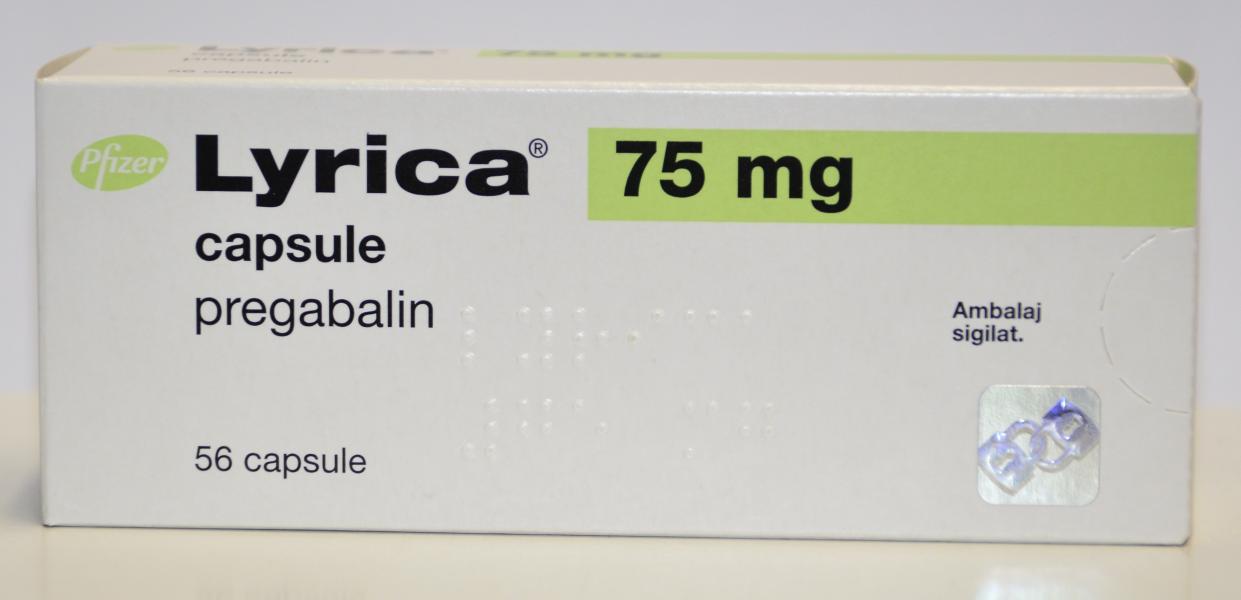
This medicine may affect your ability to drive or use machines.
Dose adjustment may be needed in liver disease.
Dose adjustment may be needed in kidney disease.
This medicine may cause dizziness or vertigo.
Use during breastfeeding only on medical advice.
Use during pregnancy only on medical advice.
Seek medical help if suicidal thoughts or major behavior changes occur.
Do not stop treatment abruptly without medical advice.
This medicine may cause drowsiness or reduced alertness.
Lyrica 25 mg hard capsules
Lyrica 50 mg hard capsules
Lyrica 75 mg hard capsules
Lyrica 100 mg hard capsules
Lyrica 150 mg hard capsules
Lyrica 200 mg hard capsules
Lyrica 225 mg hard capsules
Lyrica 300 mg hard capsules
Lyrica 25 mg hard capsules
Each hard capsule contains 25 mg of pregabalin.
Lyrica 50 mg hard capsules
Each hard capsule contains 50 mg of pregabalin.
Lyrica 75 mg hard capsules
Each hard capsule contains 75 mg of pregabalin.
Lyrica 100 mg hard capsules
Each hard capsule contains 100 mg of pregabalin.
Lyrica 150 mg hard capsules
Each hard capsule contains 150 mg of pregabalin.
Lyrica 200 mg hard capsules
Each hard capsule contains 200 mg of pregabalin.
Lyrica 225 mg hard capsules
Each hard capsule contains 225 mg of pregabalin.
Lyrica 300 mg hard capsules
Each hard capsule contains 300 mg of pregabalin.
Excipients with known effectLyrica 25 mg hard capsules
Each hard capsule also contains 35 mg lactose monohydrate.
Lyrica 50 mg hard capsules
Each hard capsule also contains 70 mg lactose monohydrate.
Lyrica 75 mg hard capsules
Each hard capsule also contains 8.25 mg lactose monohydrate.
Lyrica 100 mg hard capsules
Each hard capsule also contains 11 mg lactose monohydrate.
Lyrica 150 mg hard capsules
Each hard capsule also contains 16.50 mg lactose monohydrate.
Lyrica 200 mg hard capsules
Each hard capsule also contains 22 mg lactose monohydrate.
Lyrica 225 mg hard capsules
Each hard capsule also contains 24.75 mg lactose monohydrate.
Lyrica 300 mg hard capsules
Each hard capsule also contains 33 mg lactose monohydrate.
For the full list of excipients, see section 6.1.
Hard capsules
Lyrica 25 mg hard capsules
White marked “VTRS” on the cap and “PGN 25” on the body with black ink.
Lyrica 50 mg hard capsules
White marked “VTRS” on the cap and “PGN 50” on the body with black ink. The body is also markedwith a black band.
Lyrica 75 mg hard capsules
White and orange, marked “VTRS” on the cap and “PGN 75” on the body with black ink.
Lyrica 100 mg hard capsules
Orange marked “VTRS” on the cap and “PGN 100” on the body with black ink.
Lyrica 150 mg hard capsules
White marked “VTRS” on the cap and “PGN 150” on the body with black ink.
Lyrica 200 mg hard capsules
Light orange, marked “VTRS” on the cap and “PGN 200” on the body with black ink.
Lyrica 225 mg hard capsules
White and light orange marked “VTRS” on the cap and “PGN 225” on the body with black ink.
Lyrica 300 mg hard capsules
White and orange, marked “VTRS” on the cap and “PGN 300” on the body with black ink.
Lyrica is indicated for the treatment of peripheral and central neuropathic pain in adults.
EpilepsyLyrica is indicated as adjunctive therapy in adults with partial seizures with or without secondarygeneralisation.
Generalised anxiety disorderLyrica is indicated for the treatment of Generalised Anxiety Disorder (GAD) in adults.
The dose range is 150 to 600 mg per day given in either two or three divided doses.
Neuropathic painPregabalin treatment can be started at a dose of 150 mg per day given as two or three divided doses.
Based on individual patient response and tolerability, the dose may be increased to 300 mg per dayafter an interval of 3 to 7 days, and if needed, to a maximum dose of 600 mg per day after anadditional 7-day interval.
EpilepsyPregabalin treatment can be started with a dose of 150 mg per day given as two or three divided doses.
Based on individual patient response and tolerability, the dose may be increased to 300 mg per dayafter 1 week. The maximum dose of 600 mg per day may be achieved after an additional week.
Generalised anxiety disorderThe dose range is 150 to 600 mg per day given as two or three divided doses. The need for treatmentshould be reassessed regularly.
Pregabalin treatment can be started with a dose of 150 mg per day. Based on individual patientresponse and tolerability, the dose may be increased to 300 mg per day after 1 week. Following anadditional week the dose may be increased to 450 mg per day. The maximum dose of 600 mg per daymay be achieved after an additional week.
Discontinuation of pregabalinIn accordance with current clinical practice, if pregabalin has to be discontinued, it is recommendedthis should be done gradually over a minimum of 1 week independent of the indication (seesections 4.4 and 4.8).
Renal impairmentPregabalin is eliminated from the systemic circulation primarily by renal excretion as unchanged drug.
As pregabalin clearance is directly proportional to creatinine clearance (see section 5.2), dosereduction in patients with compromised renal function must be individualised according to creatinineclearance (CLcr), as indicated in Table 1 determined using the following formula:
1.23 140 - age (years) weight (kg)
CL cr(ml/min) ( 0.85 for female patients) serum creatinine (mol/l)
Pregabalin is removed effectively from plasma by haemodialysis (50% of drug in 4 hours). Forpatients receiving haemodialysis, the pregabalin daily dose should be adjusted based on renal function.
In addition to the daily dose, a supplementary dose should be given immediately following every4 hour haemodialysis treatment (see Table 1).
Table 1. Pregabalin Dose Adjustment Based on Renal Function
Creatinineclearance(CL ) Total pregabalin daily dose* Dose regimencr(mL/min)
Starting dose Maximum dose(mg/day) (mg/day)≥ 60 150 600 BID or TID≥ 30 - < 60 75 300 BID or TID≥ 15 - < 30 25 - 50 150 Once Daily or BID< 15 25 75 Once Daily
Supplementary dosage following haemodialysis (mg)25 100 Single dose+
TID = Three divided doses
BID = Two divided doses
* Total daily dose (mg/day) should be divided as indicated by dose regimen to provide mg/dose+ Supplementary dose is a single additional dose
Hepatic impairmentNo dose adjustment is required for patients with hepatic impairment (see section 5.2).
Paediatric populationThe safety and efficacy of Lyrica in children below the age of 12 years and in adolescents (12-17 yearsof age) have not been established. Currently available data are described in sections 4.8, 5.1 and 5.2but no recommendation on a posology can be made.
ElderlyElderly patients may require a dose reduction of pregabalin due to a decreased renal function (seesection 5.2).
Method of administrationLyrica may be taken with or without food.
Lyrica is for oral use only.
Hypersensitivity to the active substance or to any of the excipients listed in section 6.1.
In accordance with current clinical practice, some diabetic patients who gain weight on pregabalintreatment may need to adjust hypoglycaemic medicinal products.
Hypersensitivity reactionsThere have been reports in the postmarketing experience of hypersensitivity reactions, including casesof angioedema. Pregabalin should be discontinued immediately if symptoms of angioedema, such asfacial, perioral, or upper airway swelling occur.
Severe cutaneous adverse reactions (SCARs)SCARs including Stevens-Johnson syndrome (SJS) and toxic epidermal necrolysis (TEN), which canbe life-threatening or fatal, have been reported rarely in association with pregabalin treatment. At thetime of prescription patients should be advised of the signs and symptoms and monitored closely forskin reactions. If signs and symptoms suggestive of these reactions appear, pregabalin should bewithdrawn immediately and an alternative treatment considered (as appropriate).
Dizziness, somnolence, loss of consciousness, confusion and mental impairment
Pregabalin treatment has been associated with dizziness and somnolence, which could increase theoccurrence of accidental injury (fall) in the elderly population. There have also been postmarketingreports of loss of consciousness, confusion and mental impairment. Therefore, patients should beadvised to exercise caution until they are familiar with the potential effects of the medicinal product.
Vision-related effectsIn controlled trials, a higher proportion of patients treated with pregabalin reported blurred vision thandid patients treated with placebo which resolved in a majority of cases with continued dosing. In theclinical studies where ophthalmologic testing was conducted, the incidence of visual acuity reductionand visual field changes was greater in pregabalin-treated patients than in placebo-treated patients; theincidence of fundoscopic changes was greater in placebo-treated patients (see section 5.1).
In the postmarketing experience, visual adverse reactions have also been reported, including loss ofvision, visual blurring or other changes of visual acuity, many of which were transient.
Discontinuation of pregabalin may result in resolution or improvement of these visual symptoms.
Renal failureCases of renal failure have been reported and in some cases discontinuation of pregabalin did showreversibility of this adverse reaction.
Withdrawal of concomitant anti-epileptic medicinal productsThere are insufficient data for the withdrawal of concomitant anti-epileptic medicinal products, onceseizure control with pregabalin in the add-on situation has been reached, in order to reachmonotherapy on pregabalin.
Congestive heart failureThere have been postmarketing reports of congestive heart failure in some patients receivingpregabalin. These reactions are mostly seen in elderly cardiovascular compromised patients duringpregabalin treatment for a neuropathic indication. Pregabalin should be used with caution in thesepatients. Discontinuation of pregabalin may resolve the reaction.
Treatment of central neuropathic pain due to spinal cord injuryIn the treatment of central neuropathic pain due to spinal cord injury the incidence of adverse reactionsin general, central nervous system adverse reactions and especially somnolence was increased. Thismay be attributed to an additive effect due to concomitant medicinal products (e.g. anti-spasticityagents) needed for this condition. This should be considered when prescribing pregabalin in thiscondition.
Respiratory depressionThere have been reports of severe respiratory depression in relation to pregabalin use. Patients withcompromised respiratory function, respiratory or neurological disease, renal impairment, concomitantuse of CNS depressants and the elderly may be at higher risk of experiencing this severe adversereaction. Dose adjustments may be necessary in these patients (see section 4.2).
Suicidal ideation and behaviourSuicidal ideation and behaviour have been reported in patients treated with anti-epileptic agents inseveral indications. A meta-analysis of randomised placebo controlled studies of anti-epileptic drugshas also shown a small increased risk of suicidal ideation and behaviour. The mechanism of this risk isnot known. Cases of suicidal ideation and behaviour have been observed in patients treated withpregabalin in the postmarketing experience (see section 4.8). An epidemiological study using aself-controlled study design (comparing treatment periods with non-treatment periods within anindividual) showed evidence of an increased risk of new onset of suicidal behaviour and death bysuicide in patients treated with pregabalin.
Patients (and caregivers of patients) should be advised to seek medical advice should signs of suicidalideation or behaviour emerge. Patients should be monitored for signs of suicidal ideation and behaviourand appropriate treatment should be considered. Discontinuation of pregabalin treatment should beconsidered in case of suicidal ideation and behaviour.
Reduced lower gastrointestinal tract functionThere are postmarketing reports of events related to reduced lower gastrointestinal tract function (e.g.intestinal obstruction, paralytic ileus, constipation) when pregabalin was co-administered withmedications that have the potential to produce constipation, such as opioid analgesics. Whenpregabalin and opioids will be used in combination, measures to prevent constipation may beconsidered (especially in female patients and elderly).
Concomitant use with opioidsCaution is advised when prescribing pregabalin concomitantly with opioids due to risk of CNSdepression (see section 4.5). In a case-control study of opioid users, those patients who took pregabalinconcomitantly with an opioid had an increased risk for opioid-related death compared to opioid usealone (adjusted odds ratio [aOR], 1.68 [95% CI, 1.19 - 2.36]). This increased risk was observed at lowdoses of pregabalin (≤ 300 mg, aOR 1.52 [95% CI, 1.04 - 2.22]) and there was a trend for a greater riskat high doses of pregabalin (> 300 mg, aOR 2.51 [95% CI 1.24 - 5.06]).
Misuse, abuse potential or dependencePregabalin can cause drug dependence, which may occur at therapeutic doses. Cases of abuse andmisuse have been reported. Patients with a history of substance abuse may be at higher risk forpregabalin misuse, abuse and dependence, and pregabalin should be used with caution in such patients.
Before prescribing pregabalin, the patient’s risk of misuse, abuse or dependence should be carefullyevaluated.
Patients treated with pregabalin should be monitored for signs and symptoms of pregabalin misuse,abuse or dependence, such as development of tolerance, dose escalation and drug-seeking behaviour.
Withdrawal symptomsAfter discontinuation of short-term and long-term treatment with pregabalin, withdrawal symptomshave been observed. The following symptoms have been reported: insomnia, headache, nausea, anxiety,diarrhoea, flu syndrome, nervousness, depression, suicidal ideation, pain, convulsion, hyperhidrosis anddizziness. The occurrence of withdrawal symptoms following discontinuation of pregabalin mayindicate drug dependence (see section 4.8). The patient should be informed about this at the start of thetreatment. If pregabalin should be discontinued, it is recommended this should be done gradually over aminimum of 1 week independent of the indication (see section 4.2).
Convulsions, including status epilepticus and grand mal convulsions, may occur during pregabalin useor shortly after discontinuing pregabalin.
Concerning discontinuation of long-term treatment of pregabalin, data suggest that the incidence andseverity of withdrawal symptoms may be dose-related.
EncephalopathyCases of encephalopathy have been reported, mostly in patients with underlying conditions that mayprecipitate encephalopathy.
Women of childbearing potential/ContraceptionLyrica use in the first-trimester of pregnancy may cause major birth defects in the unborn child.
Pregabalin should not be used during pregnancy unless the benefit to the mother clearly outweighs thepotential risk to the foetus. Women of childbearing potential have to use effective contraception duringtreatment (see section 4.6).
Lactose intoleranceLyrica contains lactose monohydrate. Patients with rare hereditary problems of galactose intolerance,the Lapp lactase deficiency or glucose-galactose malabsorption should not take this medicinal product.
Sodium contentLyrica contains less than 1 mmol sodium (23 mg) per hard capsule. Patients on low sodium diets canbe informed that this medicinal product is essentially ‘sodium-free’.
Since pregabalin is predominantly excreted unchanged in the urine, undergoes negligible metabolismin humans (< 2% of a dose recovered in urine as metabolites), does not inhibit drug metabolismin vitro, and is not bound to plasma proteins, it is unlikely to produce, or be subject to,pharmacokinetic interactions.
In vivo studies and population pharmacokinetic analysisAccordingly, in in vivo studies no clinically relevant pharmacokinetic interactions were observedbetween pregabalin and phenytoin, carbamazepine, valproic acid, lamotrigine, gabapentin, lorazepam,oxycodone or ethanol. Population pharmacokinetic analysis indicated that oral antidiabetics, diuretics,insulin, phenobarbital, tiagabine and topiramate had no clinically significant effect on pregabalinclearance.
Oral contraceptives, norethisterone and/or ethinyl oestradiolCo-administration of pregabalin with the oral contraceptives norethisterone and/or ethinyl oestradioldoes not influence the steady-state pharmacokinetics of either substance.
Central nervous system influencing medical productsPregabalin may potentiate the effects of ethanol and lorazepam.
In the postmarketing experience, there are reports of respiratory failure, coma and deaths in patientstaking pregabalin and opioids and/or other central nervous system (CNS) depressant medicinalproducts. Pregabalin appears to be additive in the impairment of cognitive and gross motor functioncaused by oxycodone.
Interactions and the elderlyNo specific pharmacodynamic interaction studies were conducted in elderly volunteers. Interactionstudies have only been performed in adults.
Women of childbearing potential have to use effective contraception during treatment (seesection 4.4).
PregnancyStudies in animals have shown reproductive toxicity (see section 5.3).
Pregabalin has been shown to cross the placenta in rats (see section 5.2). Pregabalin may cross thehuman placenta.
Major congenital malformationsData from a Nordic observational study of more than 2700 pregnancies exposed to pregabalin in thefirst trimester showed a higher prevalence of major congenital malformations (MCM) among thepaediatric population (live or stillborn) exposed to pregabalin compared to the unexposed population(5.9% vs. 4.1%).
The risk of MCM among the paediatric population exposed to pregabalin in the first trimester wasslightly higher compared to unexposed population (adjusted prevalence ratio and 95% confidenceinterval: 1.14 (0.96-1.35)), and compared to population exposed to lamotrigine (1.29 (1.01-1.65)) or toduloxetine (1.39 (1.07-1.82)).
The analyses on specific malformations showed higher risks for malformations of the nervous system,the eye, orofacial clefts, urinary malformations and genital malformations, but numbers were smalland estimates imprecise.
Lyrica should not be used during pregnancy unless clearly necessary (if the benefit to the motherclearly outweighs the potential risk to the foetus).
Breast-feedingPregabalin is excreted into human milk (see section 5.2). The effect of pregabalin on newborns/infantsis unknown. A decision must be made whether to discontinue breast-feeding or to discontinuepregabalin therapy taking into account the benefit of breast-feeding for the child and the benefit oftherapy for the woman.
FertilityThere are no clinical data on the effects of pregabalin on female fertility.
In a clinical trial to assess the effect of pregabalin on sperm motility, healthy male subjects wereexposed to pregabalin at a dose of 600 mg/day. After 3 months of treatment, there were no effects onsperm motility.
A fertility study in female rats has shown adverse reproductive effects. Fertility studies in male ratshave shown adverse reproductive and developmental effects. The clinical relevance of these findings isunknown (see section 5.3).
Lyrica may have minor or moderate influence on the ability to drive and use machines. Lyrica maycause dizziness and somnolence and therefore may influence the ability to drive or use machines.
Patients are advised not to drive, operate complex machinery or engage in other potentially hazardousactivities until it is known whether this medicinal product affects their ability to perform theseactivities.
The pregabalin clinical programme involved over 8,900 patients exposed to pregabalin, of whom over5,600 were in double-blind placebo controlled trials. The most commonly reported adverse reactionswere dizziness and somnolence. Adverse reactions were usually mild to moderate in intensity. In allcontrolled studies, the discontinuation rate due to adverse reactions was 12% for patients receivingpregabalin and 5% for patients receiving placebo. The most common adverse reactions resulting indiscontinuation from pregabalin treatment groups were dizziness and somnolence.
In table 2 below all adverse reactions, which occurred at an incidence greater than placebo and in morethan one patient, are listed by class and frequency (very common (≥ 1/10); common (≥ 1/100 to< 1/10); uncommon (≥ 1/1,000 to < 1/100); rare (≥ 1/10,000 to < 1/1,000); very rare (< 1/10,000), notknown (cannot be estimated from the available data). Within each frequency grouping, undesirableeffects are presented in order of decreasing seriousness.
The adverse reactions listed may also be associated with the underlying disease and/or concomitantmedicinal products.
In the treatment of central neuropathic pain due to spinal cord injury the incidence of adverse reactionsin general, CNS adverse reactions and especially somnolence was increased (see section 4.4).
Additional reactions reported from postmarketing experience are included in italics in the list below.
Table 2. Pregabalin Adverse Drug Reactions
System Organ Class Adverse drug reactions
Infections and infestationsCommon Nasopharyngitis
Blood and lymphatic system disordersUncommon Neutropaenia
Immune system disordersUncommon Hypersensitivity
Rare Angioedema, allergic reaction
Metabolism and nutrition disordersCommon Appetite increased
Uncommon Anorexia, hypoglycaemia
Psychiatric disordersCommon Euphoric mood, confusion, irritability, disorientation, insomnia,libido decreased
Uncommon Hallucination, panic attack, restlessness, agitation, depression,depressed mood, elevated mood, aggression, mood swings,depersonalisation, word finding difficulty, abnormal dreams, libidoincreased, anorgasmia, apathy
Rare Disinhibition, suicidal behaviour, suicidal ideation
Not known Drug dependence
Nervous system disordersVery Common Dizziness, somnolence, headache
Common Ataxia, coordination abnormal, tremor, dysarthria, amnesia,memory impairment, disturbance in attention, paraesthesia,hypoaesthesia, sedation, balance disorder, lethargy
Uncommon Syncope, stupor, myoclonus, loss of consciousness, psychomotorhyperactivity, dyskinesia, dizziness postural, intention tremor,nystagmus, cognitive disorder, mental impairment, speech disorder,hyporeflexia, hyperaesthesia, burning sensation, ageusia, malaise
Rare Convulsions, parosmia, hypokinesia, dysgraphia, parkinsonism
Eye disordersCommon Vision blurred, diplopia
Uncommon Peripheral vision loss, visual disturbance, eye swelling, visual fielddefect, visual acuity reduced, eye pain, asthenopia, photopsia, dryeye, lacrimation increased, eye irritation
Rare Vision loss, keratitis, oscillopsia, altered visual depth perception,mydriasis, strabismus, visual brightness
Ear and labyrinth disorders
Common Vertigo
Uncommon Hyperacusis
Cardiac disordersUncommon Tachycardia, atrioventricular block first degree, sinus bradycardia,congestive heart failure
Rare QT prolongation, sinus tachycardia, sinus arrhythmia
Vascular disordersUncommon Hypotension, hypertension, hot flushes, flushing, peripheralcoldness
Respiratory, thoracic and mediastinal disordersUncommon Dyspnoea, epistaxis, cough, nasal congestion, rhinitis, snoring,nasal dryness
Rare Pulmonary oedema, throat tightness
Not known Respiratory depression
System Organ Class Adverse drug reactions
Gastrointestinal disordersCommon Vomiting, nausea, constipation, diarrhoea, flatulence, abdominaldistension, dry mouth
Uncommon Gastrooesophageal reflux disease, salivary hypersecretion,hypoaesthesia oral
Rare Ascites, pancreatitis, swollen tongue, dysphagia
Hepatobiliary disordersUncommon Elevated liver enzymes*
Rare Jaundice
Very rare Hepatic failure, hepatitis
Skin and subcutaneous tissue disordersUncommon Rash papular, urticaria, hyperhidrosis, pruritus
Rare Toxic epidermal necrolysis, Stevens-Johnson syndrome, cold sweat
Musculoskeletal and connective tissue disordersCommon Muscle cramp, arthralgia, back pain, pain in limb, cervical spasm
Uncommon Joint swelling, myalgia, muscle twitching, neck pain, musclestiffness
Rare Rhabdomyolysis
Renal and urinary disordersUncommon Urinary incontinence, dysuria
Rare Renal failure, oliguria, urinary retention
Reproductive system and breast disordersCommon Erectile dysfunction
Uncommon Sexual dysfunction, ejaculation delayed, dysmenorrhoea, breastpain
Rare Amenorrhoea, breast discharge, breast enlargement, gynaecomastia
General disorders and administration site conditionsCommon Oedema peripheral, oedema, gait abnormal, fall, feeling drunk,feeling abnormal, fatigue
Uncommon Generalised oedema, face oedema, chest tightness, pain, pyrexia,thirst, chills, asthenia
InvestigationsCommon Weight increased
Uncommon Blood creatine phosphokinase increased, blood glucose increased,platelet count decreased, blood creatinine increased, bloodpotassium decreased, weight decreased
Rare White blood cell count decreased
* Alanine aminotransferase increased (ALT) and aspartate aminotransferase increased (AST).
After discontinuation of short-term and long-term treatment with pregabalin withdrawal symptomshave been observed. The following symptoms have been reported: insomnia, headache, nausea,anxiety, diarrhoea, flu syndrome, convulsions, nervousness, depression, suicidal ideation, pain,hyperhidrosis and dizziness. These symptoms may indicate drug dependence. The patient should beinformed about this at the start of the treatment. Concerning discontinuation of long-term treatment ofpregabalin, data suggest that the incidence and severity of withdrawal symptoms may be dose-related(see sections 4.2 and 4.4).
Paediatric populationThe pregabalin safety profile observed in five paediatric studies in patients with partial seizures with orwithout secondary generalisation (12-week efficacy and safety study in patients 4 to 16 years of age,n=295; 14-day efficacy and safety study in patients 1 month to younger than 4 years of age, n=175;pharmacokinetic and tolerability study, n=65; and two 1 year open label follow on safety studies, n=54and n=431) was similar to that observed in the adult studies of patients with epilepsy. The mostcommon adverse events observed in the 12-week study with pregabalin treatment were somnolence,pyrexia, upper respiratory tract infection, increased appetite, weight increased, and nasopharyngitis.
The most common adverse events observed in the 14-day study with pregabalin treatment weresomnolence, upper respiratory tract infection, and pyrexia (see sections 4.2, 5.1 and 5.2).
Reporting of suspected adverse reactionsReporting suspected adverse reactions after authorisation of the medicinal product is important. Itallows continued monitoring of the benefit/risk balance of the medicinal product. Healthcareprofessionals are asked to report any suspected adverse reactions via the national reporting systemlisted in Appendix V.
In the postmarketing experience, the most commonly reported adverse reactions observed whenpregabalin was taken in overdose included somnolence, confusional state, agitation, and restlessness.
Seizures were also reported.
In rare occasions, cases of coma have been reported.
Treatment of pregabalin overdose should include general supportive measures and may includehaemodialysis if necessary (see section 4.2 Table 1).
Pharmacotherapeutic group: Analgesics, other analgesics and antipyretics ATC code: N02BF02
The active substance, pregabalin, is a gamma-aminobutyric acid analogue[(S)-3-(aminomethyl)-5-methylhexanoic acid].
Mechanism of actionPregabalin binds to an auxiliary subunit (2- protein) of voltage-gated calcium channels in the centralnervous system.
Clinical efficacy and safetyEfficacy has been shown in trials in diabetic neuropathy, post herpetic neuralgia and spinal cord injury.
Efficacy has not been studied in other models of neuropathic pain.
Pregabalin has been studied in 10 controlled clinical trials of up to 13 weeks with twice a day dosing(BID) and up to 8 weeks with three times a day (TID) dosing. Overall, the safety and efficacy profilesfor BID and TID dosing regimens were similar.
In clinical trials up to 12 weeks for both peripheral and central neuropathic pain, a reduction in painwas seen by Week 1 and was maintained throughout the treatment period.
In controlled clinical trials in peripheral neuropathic pain 35% of the pregabalin treated patients and18% of the patients on placebo had a 50% improvement in pain score. For patients not experiencingsomnolence, such an improvement was observed in 33% of patients treated with pregabalin and 18%of patients on placebo. For patients who experienced somnolence the responder rates were 48% onpregabalin and 16% on placebo.
In the controlled clinical trial in central neuropathic pain 22% of the pregabalin treated patients and7% of the patients on placebo had a 50% improvement in pain score.
EpilepsyAdjunctive Treatment
Pregabalin has been studied in 3 controlled clinical trials of 12 week duration with either BID or TIDdosing. Overall, the safety and efficacy profiles for BID and TID dosing regimens were similar.
A reduction in seizure frequency was observed by Week 1.
Paediatric populationThe efficacy and safety of pregabalin as adjunctive treatment for epilepsy in paediatric patients belowthe age of 12 and adolescents has not been established. The adverse events observed in apharmacokinetic and tolerability study that enrolled patients from 3 months to 16 years of age (n=65)with partial onset seizures were similar to those observed in adults. Results of a 12-weekplacebo-controlled study of 295 paediatric patients aged 4 to 16 years and a 14-day placebo-controlledstudy of 175 paediatric patients aged 1 month to younger than 4 years of age performed to evaluate theefficacy and safety of pregabalin as adjunctive therapy for the treatment of partial onset seizures andtwo 1 year open label safety studies in 54 and 431 paediatric patients respectively, from 3 months to16 years of age with epilepsy indicate that the adverse events of pyrexia and upper respiratoryinfections were observed more frequently than in adult studies of patients with epilepsy (see sections4.2, pct. 4.8 and 5.2).
In the 12-week placebo-controlled study, paediatric patients (4 to 16 years of age) were assigned topregabalin 2.5 mg/kg/day (maximum, 150 mg/day), pregabalin 10 mg/kg/day (maximum,600 mg/day), or placebo. The percentage of subjects with at least a 50% reduction in partial onsetseizures as compared to baseline was 40.6% of subjects treated with pregabalin 10 mg/kg/day(p=0.0068 versus placebo), 29.1% of subjects treated with pregabalin 2.5 mg/kg/day (p=0.2600 versusplacebo) and 22.6% of those receiving placebo.
In the 14-day placebo-controlled study, paediatric patients (1 month to younger than 4 years of age)were assigned to pregabalin 7 mg/kg/day, pregabalin 14 mg/kg/day, or placebo. Median 24-hourseizure frequencies at baseline and at the final visit were 4.7 and 3.8 for pregabalin 7 mg/kg/day, 5.4and 1.4 for pregabalin 14 mg/kg/day, and 2.9 and 2.3 for placebo, respectively. Pregabalin14 mg/kg/day significantly reduced the log-transformed partial onset seizure frequency versus placebo(p=0.0223); pregabalin 7 mg/kg/day did not show improvement relative to placebo.
In a 12-week placebo-controlled study in subjects with Primary Generalized Tonic-Clonic (PGTC)seizures 219 subjects (aged 5 to 65 years, of which 66 were aged 5 to 16 years) were assigned topregabalin 5 mg/kg/day (maximum 300 mg/day), 10 mg/kg/day (maximum 600 mg/day) or placebo asadjunctive therapy. The percentage of subjects with at least a 50% reduction in PGTC seizure rate was41.3%, 38.9% and 41.7% for pregabalin 5 mg/kg/day, pregabalin 10 mg/kg/day and placeborespectively.
Monotherapy (newly diagnosed patients)Pregabalin has been studied in 1 controlled clinical trial of 56 week duration with BID dosing.
Pregabalin did not achieve non-inferiority to lamotrigine based on the 6-month seizure freedomendpoint. Pregabalin and lamotrigine were similarly safe and well tolerated.
Generalised Anxiety Disorder
Pregabalin has been studied in 6 controlled trials of 4-6 week duration, an elderly study of 8 weekduration and a long-term relapse prevention study with a double-blind relapse prevention phase of6 months duration.
Relief of the symptoms of GAD as reflected by the Hamilton Anxiety Rating Scale (HAM-A) wasobserved by Week 1.
In controlled clinical trials (4-8 week duration) 52% of the pregabalin treated patients and 38% of thepatients on placebo had at least a 50% improvement in HAM-A total score from baseline to endpoint.
In controlled trials, a higher proportion of patients treated with pregabalin reported blurred vision thandid patients treated with placebo which resolved in a majority of cases with continued dosing.
Ophthalmologic testing (including visual acuity testing, formal visual field testing and dilatedfunduscopic examination) was conducted in over 3600 patients within controlled clinical trials. Inthese patients, visual acuity was reduced in 6.5% of patients treated with pregabalin, and 4.8% ofplacebo-treated patients. Visual field changes were detected in 12.4% of pregabalin-treated, and 11.7%of placebo-treated patients. Funduscopic changes were observed in 1.7% of pregabalin-treated and2.1% of placebo-treated patients.
Pregabalin steady-state pharmacokinetics are similar in healthy volunteers, patients with epilepsyreceiving anti-epileptic drugs and patients with chronic pain.
AbsorptionPregabalin is rapidly absorbed when administered in the fasted state, with peak plasma concentrationsoccurring within 1 hour following both single and multiple dose administration. Pregabalin oralbioavailability is estimated to be 90% and is independent of dose. Following repeatedadministration, steady state is achieved within 24 to 48 hours. The rate of pregabalin absorption isdecreased when given with food resulting in a decrease in Cmax by approximately 25-30% and a delayin tmax to approximately 2.5 hours. However, administration of pregabalin with food has no clinicallysignificant effect on the extent of pregabalin absorption.
DistributionIn preclinical studies, pregabalin has been shown to cross the blood brain barrier in mice, rats, andmonkeys. Pregabalin has been shown to cross the placenta in rats and is present in the milk of lactatingrats. In humans, the apparent volume of distribution of pregabalin following oral administration isapproximately 0.56 l/kg. Pregabalin is not bound to plasma proteins.
BiotransformationPregabalin undergoes negligible metabolism in humans. Following a dose of radiolabelled pregabalin,approximately 98% of the radioactivity recovered in the urine was unchanged pregabalin. The
N-methylated derivative of pregabalin, the major metabolite of pregabalin found in urine, accountedfor 0.9% of the dose. In preclinical studies, there was no indication of racemisation of pregabalin
S-enantiomer to the R-enantiomer.
EliminationPregabalin is eliminated from the systemic circulation primarily by renal excretion as unchanged drug.
Pregabalin mean elimination half-life is 6.3 hours. Pregabalin plasma clearance and renal clearance aredirectly proportional to creatinine clearance (see section 5.2 Renal impairment).
Dose adjustment in patients with reduced renal function or undergoing haemodialysis is necessary (seesection 4.2 Table 1).
Linearity/non-linearityPregabalin pharmacokinetics are linear over the recommended daily dose range. Inter-subjectpharmacokinetic variability for pregabalin is low (< 20%). Multiple dose pharmacokinetics arepredictable from single-dose data. Therefore, there is no need for routine monitoring of plasmaconcentrations of pregabalin.
GenderClinical trials indicate that gender does not have a clinically significant influence on the plasmaconcentrations of pregabalin.
Renal impairmentPregabalin clearance is directly proportional to creatinine clearance. In addition, pregabalin iseffectively removed from plasma by haemodialysis (following a 4 hour haemodialysis treatmentplasma pregabalin concentrations are reduced by approximately 50%). Because renal elimination is themajor elimination pathway, dose reduction in patients with renal impairment and dose supplementationfollowing haemodialysis is necessary (see section 4.2 Table 1).
Hepatic impairmentNo specific pharmacokinetic studies were carried out in patients with impaired liver function. Sincepregabalin does not undergo significant metabolism and is excreted predominantly as unchanged drugin the urine, impaired liver function would not be expected to significantly alter pregabalin plasmaconcentrations.
Paediatric populationPregabalin pharmacokinetics were evaluated in paediatric patients with epilepsy (age groups: 1 to23 months, 2 to 6 years, 7 to 11 years and 12 to 16 years) at dose levels of 2.5, 5, 10 and 15 mg/kg/dayin a pharmacokinetic and tolerability study.
After oral administration of pregabalin in paediatric patients in the fasted state, in general, time toreach peak plasma concentration was similar across the entire age group and occurred 0.5 hours to2 hours postdose.
Pregabalin Cmax and AUC parameters increased in a linear manner with increasing dose within eachage group. The AUC was lower by 30% in paediatric patients below a weight of 30 kg due to anincreased body weight adjusted clearance of 43% for these patients in comparison to patients weighing≥30 kg.
Pregabalin terminal half-life averaged about 3 to 4 hours in paediatric patients up to 6 years of age, and4 to 6 hours in those 7 years of age and older.
Population pharmacokinetic analysis showed that creatinine clearance was a significant covariate ofpregabalin oral clearance, body weight was a significant covariate of pregabalin apparent oral volumeof distribution, and these relationships were similar in paediatric and adult patients.
Pregabalin pharmacokinetics in patients younger than 3 months old have not been studied (see sections4.2, pct. 4.8 and 5.1).
ElderlyPregabalin clearance tends to decrease with increasing age. This decrease in pregabalin oral clearanceis consistent with decreases in creatinine clearance associated with increasing age. Reduction ofpregabalin dose may be required in patients who have age related compromised renal function (seesection 4.2 Table 1).
Breast-feeding mothersThe pharmacokinetics of 150 mg pregabalin given every 12 hours (300 mg daily dose) was evaluatedin 10 lactating women who were at least 12 weeks postpartum. Lactation had little to no influence onpregabalin pharmacokinetics. Pregabalin was excreted into breast milk with average steady-stateconcentrations approximately 76% of those in maternal plasma. The estimated infant dose from breastmilk (assuming mean milk consumption of 150 mL/kg/day) of women receiving 300 mg/day or themaximum dose of 600 mg/day would be 0.31 or 0.62 mg/kg/day, respectively. These estimated dosesare approximately 7% of the total daily maternal dose on a mg/kg basis.
In conventional safety pharmacology studies in animals, pregabalin was well-tolerated at clinicallyrelevant doses. In repeated dose toxicity studies in rats and monkeys CNS effects were observed,including hypoactivity, hyperactivity and ataxia. An increased incidence of retinal atrophy commonlyobserved in aged albino rats was seen after long-term exposure to pregabalin at exposures ≥ 5 timesthe mean human exposure at the maximum recommended clinical dose.
Pregabalin was not teratogenic in mice, rats or rabbits. Foetal toxicity in rats and rabbits occurred onlyat exposures sufficiently above human exposure. In prenatal/postnatal toxicity studies, pregabalininduced offspring developmental toxicity in rats at exposures > 2 times the maximum recommendedhuman exposure.
Adverse effects on fertility in male and female rats were only observed at exposures sufficiently inexcess of therapeutic exposure. Adverse effects on male reproductive organs and sperm parameterswere reversible and occurred only at exposures sufficiently in excess of therapeutic exposure or wereassociated with spontaneous degenerative processes in male reproductive organs in the rat. Thereforethe effects were considered of little or no clinical relevance.
Pregabalin is not genotoxic based on results of a battery of in vitro and in vivo tests.
Two-year carcinogenicity studies with pregabalin were conducted in rats and mice. No tumours wereobserved in rats at exposures up to 24 times the mean human exposure at the maximum recommendedclinical dose of 600 mg/day. In mice, no increased incidence of tumours was found at exposuressimilar to the mean human exposure, but an increased incidence of haemangiosarcoma was observed athigher exposures. The non-genotoxic mechanism of pregabalin-induced tumour formation in miceinvolves platelet changes and associated endothelial cell proliferation. These platelet changes were notpresent in rats or in humans based on short-term and limited long-term clinical data. There is noevidence to suggest an associated risk to humans.
In juvenile rats the types of toxicity do not differ qualitatively from those observed in adult rats.
However, juvenile rats are more sensitive. At therapeutic exposures, there was evidence of CNSclinical signs of hyperactivity and bruxism and some changes in growth (transient body weight gainsuppression). Effects on the oestrus cycle were observed at 5-fold the human therapeutic exposure.
Reduced acoustic startle response was observed in juvenile rats 1-2 weeks after exposure at > 2 timesthe human therapeutic exposure. Nine weeks after exposure, this effect was no longer observable.
Lyrica 25 mg, 50 mg, 150 mg hard capsules
Capsules content:
Lactose monohydrate
Maize starch
Talc
Capsules shell:
Gelatin
Titanium dioxide (E171)
Sodium laurilsulphate
Silica, colloidal anhydrous
Purified water
Printing ink:Shellac
Black iron oxide (E172)
Propylene glycolPotassium hydroxide
Lyrica 75 mg, 100 mg, 200 mg, 225 mg, 300 mg hard capsules
Capsules content:
Lactose monohydrate
Maize starch
Talc
Capsules shell:
Gelatin
Titanium dioxide (E171)
Sodium laurilsulphate
Silica, colloidal anhydrous
Purified water
Red iron oxide (E172)
Printing ink:Shellac
Black iron oxide (E172)
Propylene glycolPotassium hydroxide
Not applicable.
3 years.
This medicinal product does not require any special storage conditions.
Lyrica 25 mg hard capsules
PVC/Aluminium blisters containing 14, 21, 56, 84, 100, or 112 hard capsules.100 x 1 hard capsules in PVC/Aluminium perforated unit dose blisters.
HDPE bottle containing 200 hard capsules.
Not all pack sizes may be marketed.
Lyrica 50 mg hard capsules
PVC/Aluminium blisters containing 14, 21, 56, 84, or 100 hard capsules.100 x 1 hard capsules in PVC/Aluminium perforated unit dose blisters.
Not all pack sizes may be marketed.
Lyrica 75 mg hard capsules
PVC/Aluminium blisters containing 14, 56, 70 100, or 112 hard capsules.100 x 1 hard capsules in PVC/Aluminium perforated unit dose blisters.
HDPE bottle containing 200 hard capsules.
Not all pack sizes may be marketed.
Lyrica 100 mg hard capsules
PVC/Aluminium blisters containing 21, 84, or 100 hard capsules.100 x 1 hard capsules in PVC/Aluminium perforated unit dose blisters.
Not all pack sizes may be marketed.
Lyrica 150 mg hard capsules
PVC/Aluminium blisters containing 14, 56, 100, or 112 hard capsules.100 x 1 hard capsules in PVC/Aluminium perforated unit dose blisters.
HDPE bottle containing 200 hard capsules.
Not all pack sizes may be marketed.
Lyrica 200 mg hard capsules
PVC/Aluminium blisters containing 21, 84, or 100 hard capsules.100 x 1 hard capsules in PVC/Aluminium perforated unit dose blisters.
Not all pack sizes may be marketed.
Lyrica 225 mg hard capsules
PVC/Aluminium blisters containing 14, 56, or 100 hard capsules.100 x 1 hard capsules in PVC/Aluminium perforated unit dose blisters.
Not all pack sizes may be marketed.
Lyrica 300 mg hard capsules
PVC/Aluminium blisters containing 14, 56, 100, or 112 hard capsules.100 x 1 hard capsules in PVC/Aluminium perforated unit dose blisters.
HDPE bottle containing 200 hard capsules.
Not all pack sizes may be marketed.
No special requirements for disposal.
Detailed information on this medicinal product is available on the website of the European Medicines
Agency http://www.ema.europa.eu.
GX (C1) - GENERIC (used in compensation list, C1, for another diagnosis)